Water Analysis for Industrial Water Applications

Unlocking the Potential of Advanced Water Technologies in Critical Industries
Water-critical industries expect partnerships to reimagine and communicate the value of water differently. Reliable and accurate quality measurement enables emerging industries to apply advanced water management technologies and realize ambitious production, financial and sustainability goals including the following:

Source and Raw Water
Water used for industrial applications is extracted from a wide variety of sources including municipalities, surface water, ground water and seawater. Each water source and industrial application requires different treatment standards and methods, the effectiveness of which must be verified by real-time and benchtop analytical solutions. Industries and applications that require high-purity and ultra-pure ranges need reliable and accurate measurement of key parameters in trace concentrations to enable adoption of advanced treatment technologies to realize ambitions including the following:

Boiler Water and Steam (Utility)
Many industries depend on the generation and distribution of steam purely, safely and reliably. Applications that produce high-pressure steam to drive power generation infrastructure, including turbines, require extensive demineralization and treatment of water throughout the water-steam cycle. Lower pressure steam is also produced by boilers in a wide range of industries for critical heating, cleaning and manufacturing applications. Operators of boilers and steam generation assets employ a wide range of water management programs to limit the impact of mineral scale deposition, pitting and corrosion on heat transfer and distribution surfaces. The most ambitious projects in the water-steam cycle endeavor to reduce the cost of produced steam while limiting asset downtime and freshwater intake. Realization of these projects requires reliable and accurate measurement of key water parameters at high-purity and ultra-pure ranges.

Cooling and Recirculating Water (Utility)
Water is the most common medium used in industrial cooling processes due to its high heat capacity and availability. The heat exchange processes involving water cooling and recirculating infrastructure enable power generation, industrial production and indoor climate management. However, open and once-through circulation systems require resupply of large quantities of water to replace water lost through drift, evaporation and blowdown. Operators of cooling and recirculation assets employ a wide range of water management programs to limit the impact of mineral scale deposition, corrosion and biological fouling (including pathogens such as Legionella). The most ambitious projects involving cooling and recirculating water endeavor to reduce freshwater intake, optimize total cost of operation and mitigate risk of pathogen exposure. Realization of these projects requires reliable and accurate measurement of key water parameters at several points in the cooling water cycle.

Process and Cleaning Water (Production)
Industries use water in a wide range of process cleaning and production applications. In some industries it is used as an ingredient or raw material in a finished good intended for human or animal consumption. In other industries water is used as a process aid in applications such as rinsing, sanitization and disinfection, coming in both direct and indirect contact with finished goods. The most ambitious projects involving process and cleaning water seek to limit economic impact of product loss and reduce fresh water at the lowest cost of operation while meeting industry-specific regulatory requirements. In tough-to-decarbonize industries water quality plays a critical role in advancing green technology solutions to deliver on ambitious greenhouse gas reduction goals. Realization of these projects requires reliable and accurate measurement of key water parameters in water preparation, production and post-production areas.

Water Reuse and Recycling
In regions facing fresh water scarcity, industries are challenged to implement ambitious projects to deliver on sustainability goals and water stewardship commitments. Water reuse and recycling projects employ advanced treatment technologies including nanofiltration, demineralization and deionization to reclaim industrial waters for use in production and utility applications. The most ambitious projects aspire to return more freshwater to local communities than facilities take in. Each reuse and recycling application depends on reliable and accurate measurement of key quality parameters at high-purity and ultra-pure ranges. Additionally, projects to reduce blowdown in steam and cooling cycles require online water quality measurement and control to prevent operational interruptions.
Wastewater and Water Discharge
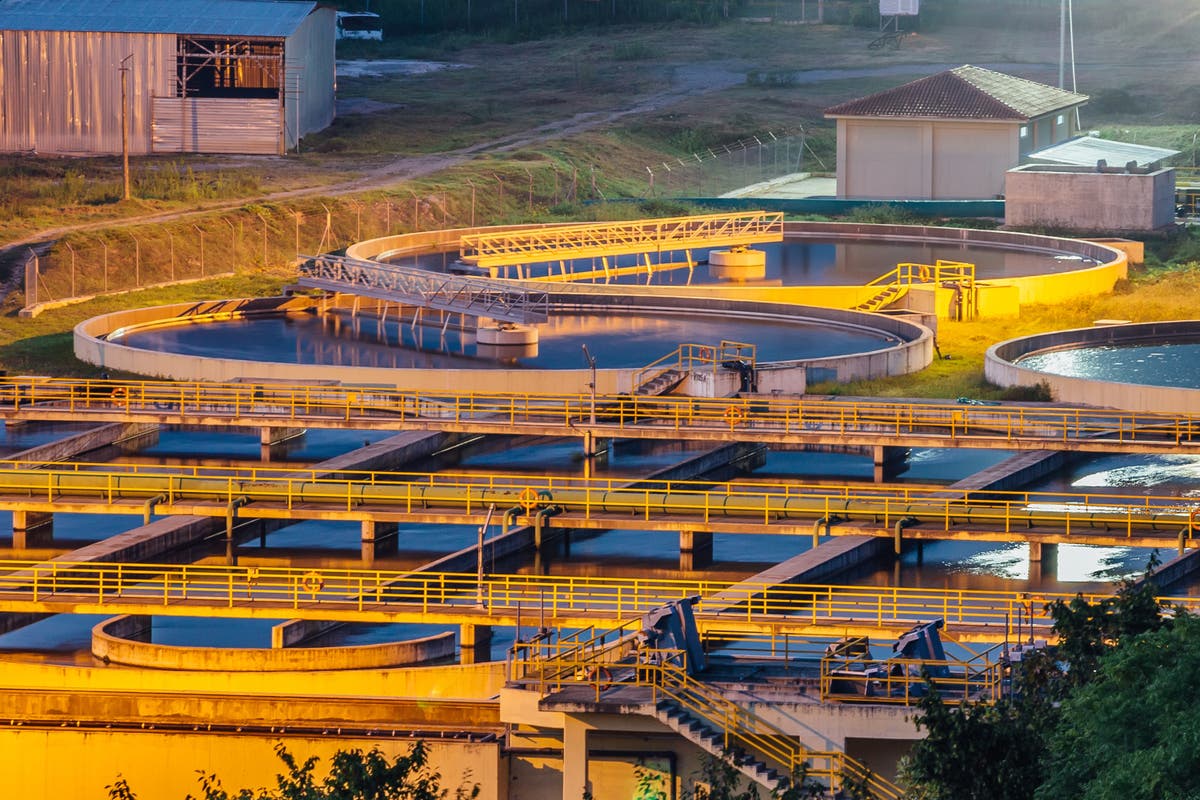
Industries must exist in harmony with the communities they operate in, including proper stewardship of the water resources used by their operations. Wastewater and water discharge processes address a wide range of potential contaminants including organic and inorganic materials that negatively impact watersheds if not properly managed. The most ambitious projects involving wastewater and water discharge seek to increase the volume of freshwater to local communities than facilities take in at the lowest cost of operation while meeting industry-specific regulatory requirements. Realization of these projects requires reliable and accurate measurement of key water parameters in water preparation, production and post-production areas.