TSS & TDS Measurement Methods
Why Total Suspended Solids (TSS) and Total Dissolved Solids (TDS) Measurement, Testing and Processes Matter to Water Quality
Ensure accurate measurement of total suspended solids (TSS) and total dissolved solids (TDS) with sensors, standards and equipment from Hach®.
Our comprehensive range covers all your TDS and TSS analysis needs, providing reliable insights into the composition and cleanliness of water resources, aiding in environmental monitoring, and ensuring water safety.
Choose the right solution for your specific needs across a variety of applications including wastewater, drinking water, and high purity water.
Whether you need a sensor for the lab, field, or online monitoring, our robust line of TSS and TDS measurement solutions ensures optimal performance and accuracy.
Which Processes Require Total Suspended Solids Monitoring?
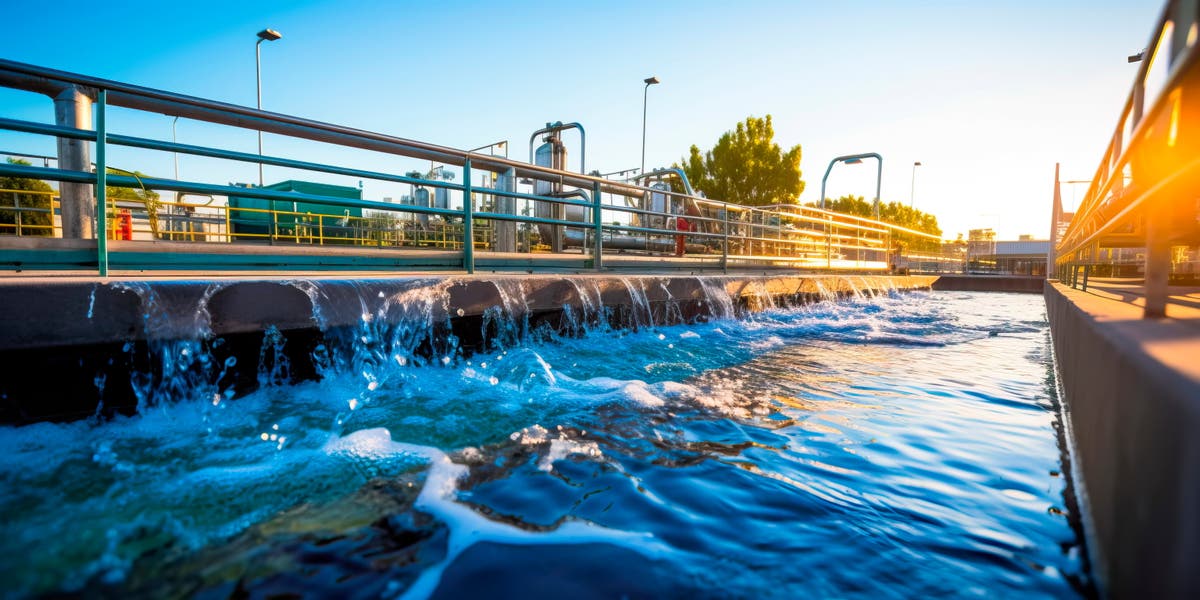
Wastewater Treatment
Monitoring suspended solids/turbidity in the liquid processing stages of a wastewater treatment plant offers these significant benefits:
- Improves plant efficiency by providing stability and continuity to the treatment process
- Continuous online monitoring reduces the need for time-consuming laboratory analysis
- Real-time monitoring provides more accurate process control
- Monitors compliance with limitations placed on the concentration of solids entering and leaving the plant
At the same time, laboratory methods and equipment can be successfully used to verify or fulfill the calibration of the process sensors.
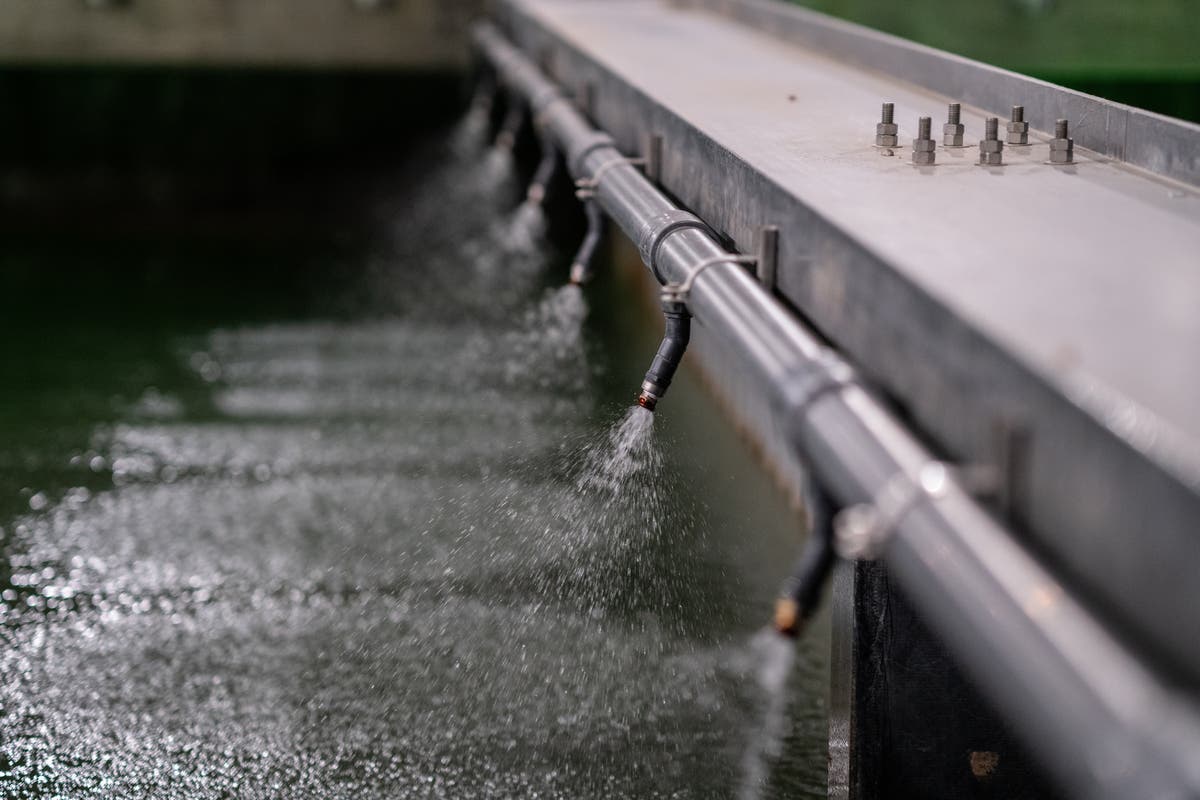
Drinking Water Treatment
Drinking water comes from many different sources, such as rivers, lakes, aquifers, and man-made reservoirs. Treatment processes for source water vary widely depending on the source itself, as well as the impurities of the source water. Some of the most common contaminants in source water are the suspended solids comprised from organic matter, such as algae, and inorganic materials, e.g. sand, silt, and clay particles. Knowing the total suspended and dissolved solids in the incoming water helps determine the right treatment processes and procedures (e.g. coagulation/flocculation agents) to reduce load on the filters.
To optimize the coagulation/flocculation part of your drinking water treatment process, another tool can be very useful: a Streaming Current Monitor (SCM) that measures changes in the charge of particles in the water immediately after coagulant injection and helps optimize the coagulant feed in real time, especially when combined with pH control.
Monitoring TSS/turbidity and TDS/conductivity in raw and treated water helps maintain consistent water quality and control corrosivity while complying with relevant regulations.
In addition to monitoring the water used in the treatment process, it is important to measure TSS or turbidity during filter backwash operations because it helps optimize the process, extends filter run times, and provides additional savings on energy costs.

Energy Industry
High purity water is essential for power production. The amount of suspended solids present in water is a vital quality indicator. Silt, sand, bacteria, spores, and chemical precipitates all contribute to the cloudiness, or turbidity, of water. As a result, turbidity or TSS monitoring is critical for maintaining the acceptable water quality throughout the power plant.
How are Solids Monitored?
The most common technique for measuring solids, the Gravimetric Method involves trapping solids suspended in the water sample on a filter using a filtering apparatus and determining their dry weight.
Analyzing TDS in the Lab or field can be done using electrochemistry meters and probes designed to detect the dissolved solids in a sample.
Used for TSS measurement, this method uses Imhoff Cones to measure settleable solids or sediment in water.