Total Organic Carbon (TOC) Analyzers, Meters and Reagents
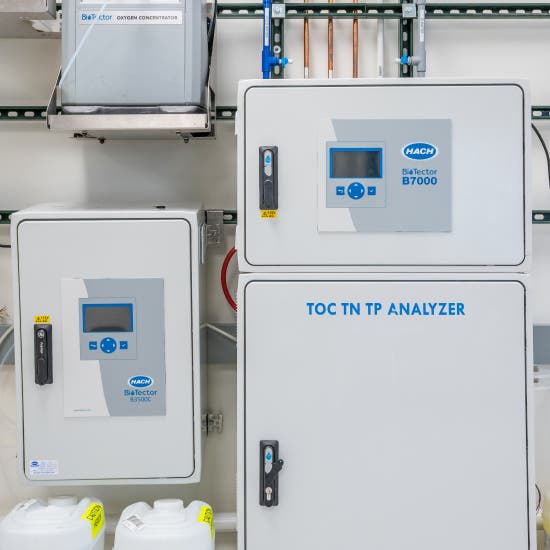
Why TOC Analysis, Testing and Measurement Matter to Water Quality
TOC analyzers measure the amount of organic compounds contained in a water sample. Organic carbon-containing compounds can either be dissolved in water or exist in water as undissolved, suspended material, or liquid. This organic matter can enter water naturally and through man-made sources/processes.
Examples of organic matter include plant- or animal- based sustanor synthetic substances containing carbon and other elements defining organic compounds. Inorganic matter is composed of mineral compounds that may or may not contain carbon.
Which Processes Require Total Organic Carbon Monitoring?

Wastewater Treatment
Determining the full TOC load before it enters the treatment facility allows the plant to prepare for treatment and optimize operation. Measuring the TOC discharge at the end of treatment helps ensure that the plant complies with regulations.
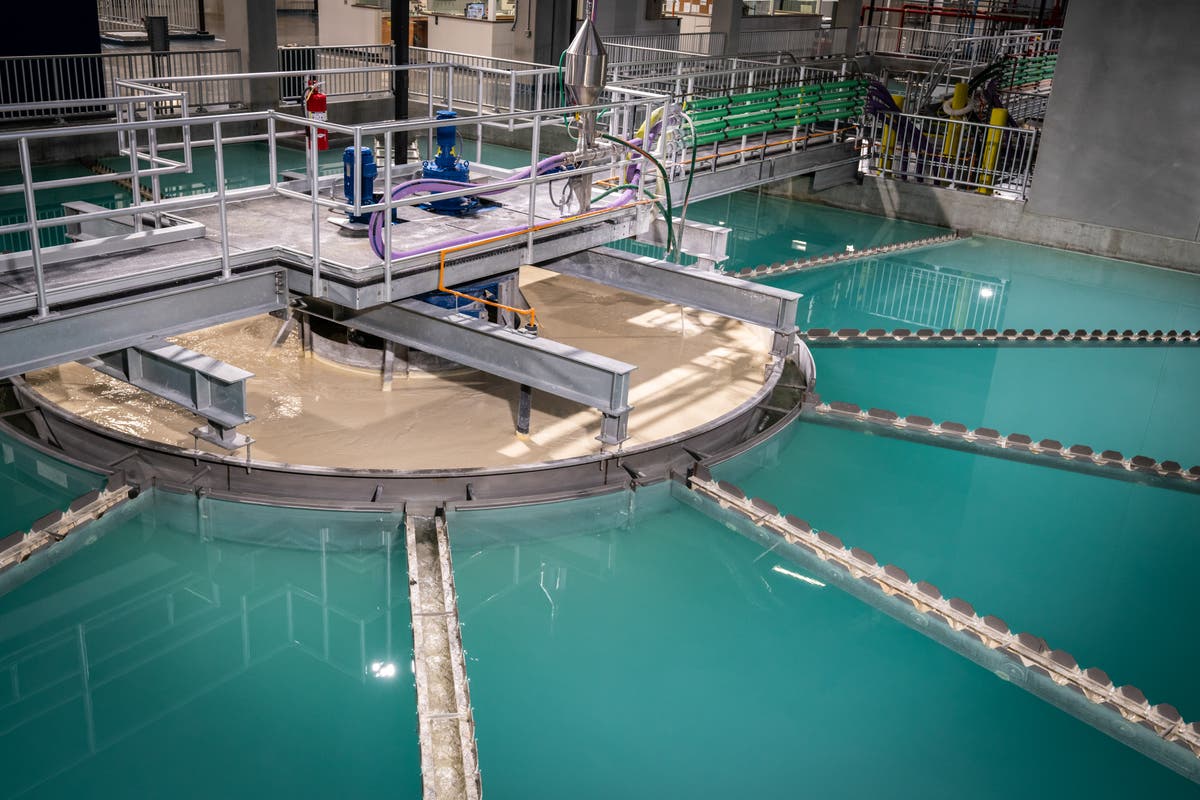
Drinking Water Treatment
Raw water sources such as lakes, streams, and reservoirs contain natural organic matter (NOM) from decaying plant or animal content. During disinfection, organics can combine with chlorine and other disinfectants to form harmful disinfection by-products (DBP). To comply with regulations, drinking water plants that are held to strict DBP requirements and must measure TOC in raw and treated water to calculate the reportable TOC percent removal. Dissolved organic carbon content in drinking water can also affect odor, taste, and appearance.
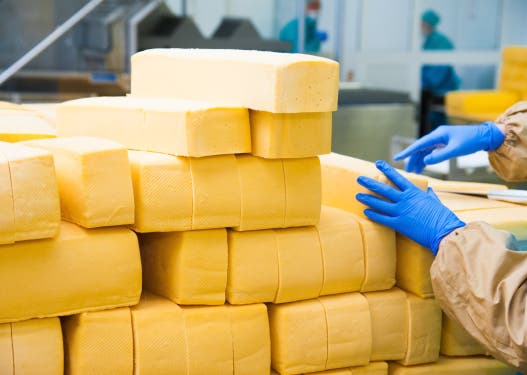
Dairy Industry
At each stage of dairy processing (as milk is converted into products like cheese or butter), a TOC analyzer can indicate potential product lost to the effluent, aiding in process control. Measuring TOC at the end of the processes allows the facility to confirm that it complies with its regulatory discharge limit. Monitoring the milk fats that leave the plant in effluent, can reduce product loss and wastewater treatment costs, resulting in increased revenue.
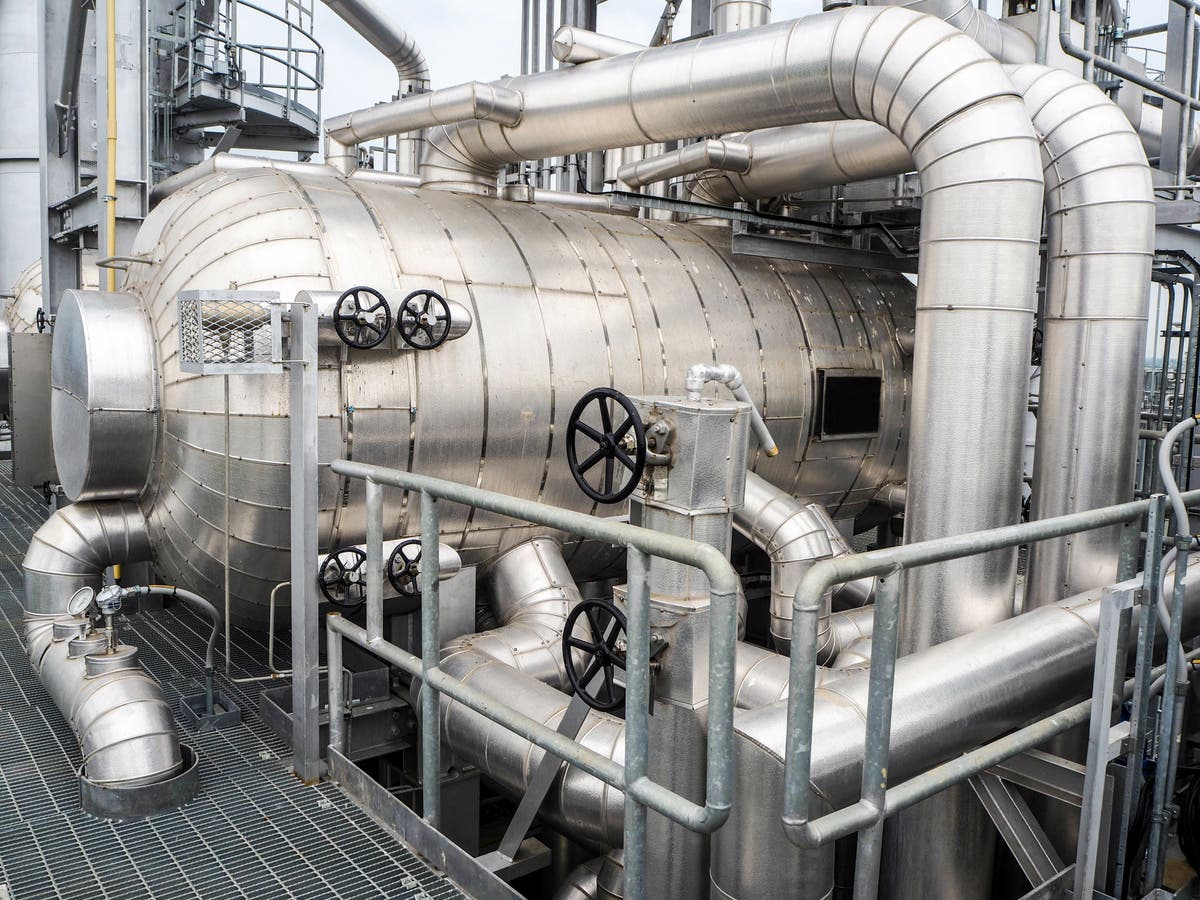
Industrial Boilers
In boilers, the condensate from the heat exchangers must be monitored for TOC. If the TOC levels in the condensate are too high, the condensate must be diverted away from the boiler to prevent damage. Continuous TOC monitoring allows operators to make adjustments quickly, preventing equipment damage, production downtime, and revenue losses.

Cooling Towers
Measuring the TOC of the source and make-up water before it enters the heat exchangers ensures that it does not contain organics that may damage the equipment. Checking the TOC of the water after the cooling process ensures that the heat exchanger has not leaked contaminants into the water being discharged to the receiving water body.
Storm Water Treatment
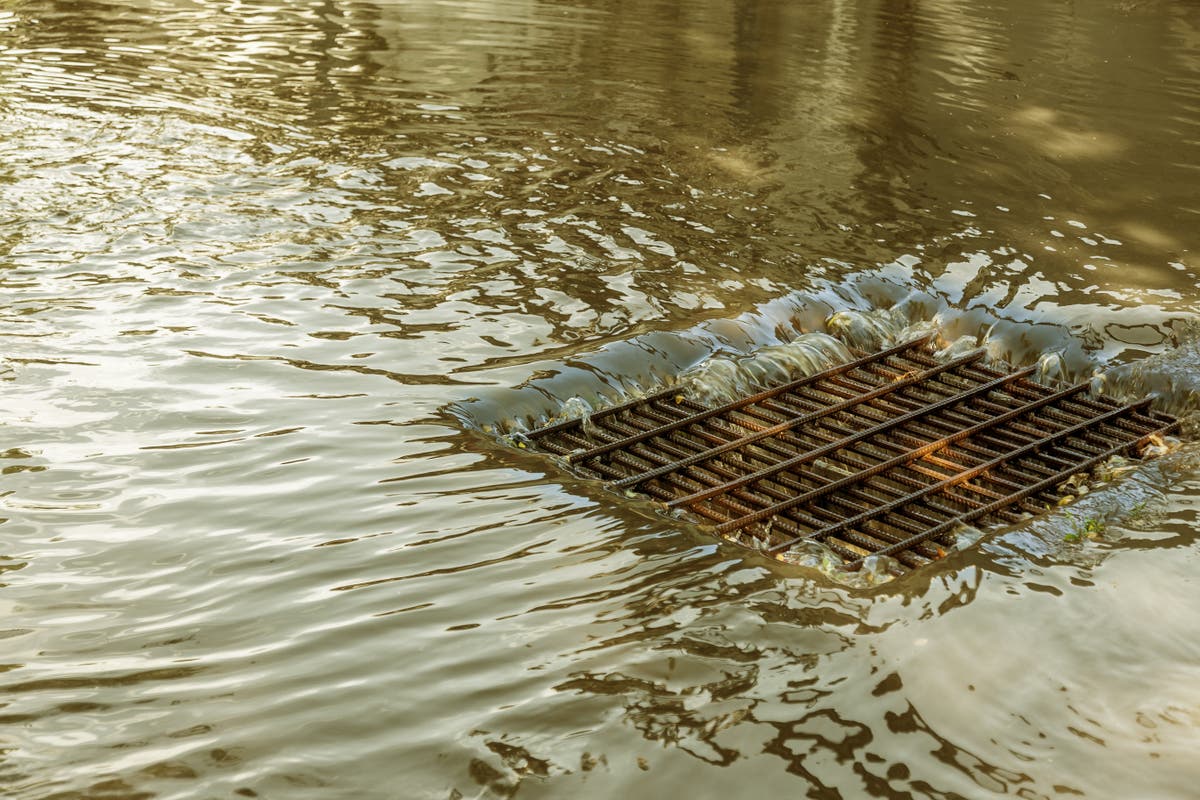
TOC levels guide the treatment of storm water. If the TOC levels are normal, the water is discharged directly into a waterway. If the TOC levels are too high, the storm water is diverted into a retention pond and then treated by a wastewater treatment plant. Monitoring TOC helps the industrial facilities remain in compliance with storm water regulations.