pH Measurement Processes and Methods
Why pH Measurement, Testing and Analysis Matter for Water Quality
pH is a measure of the hydrogen ion activity in a solution. Pure water that contains an equal balance of positive hydrogen ions (H+) and negative hydroxide ions (OH-) has a neutral pH.
- Solutions with a higher concentration of hydrogen ions (H+) than pure water are acidic and have a pH less than 7.
- Solutions with a higher concentration of hydroxide ions (OH-) than water are basic (alkaline) and have a pH greater than 7.

Which Processes Require pH Monitoring?
Drinking Water Purification
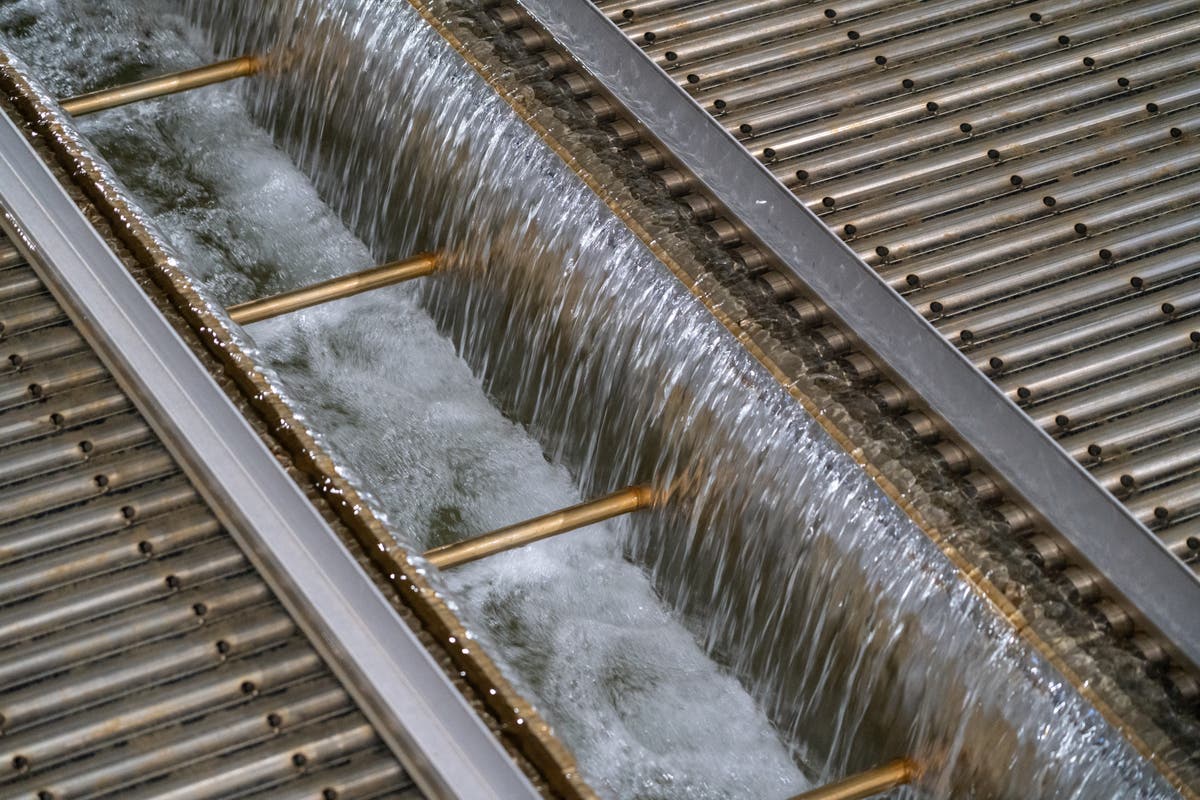
pH of drinking water is measured at multiple stages in a drinking water plant. Normal pH range for tap water is 6.5-8.5 throughout both treatment process and distribution. Drinking water pH level must be monitored to minimize corrosion, contamination and adverse effects on taste, odor, color and appearance.
Wastewater Treatment
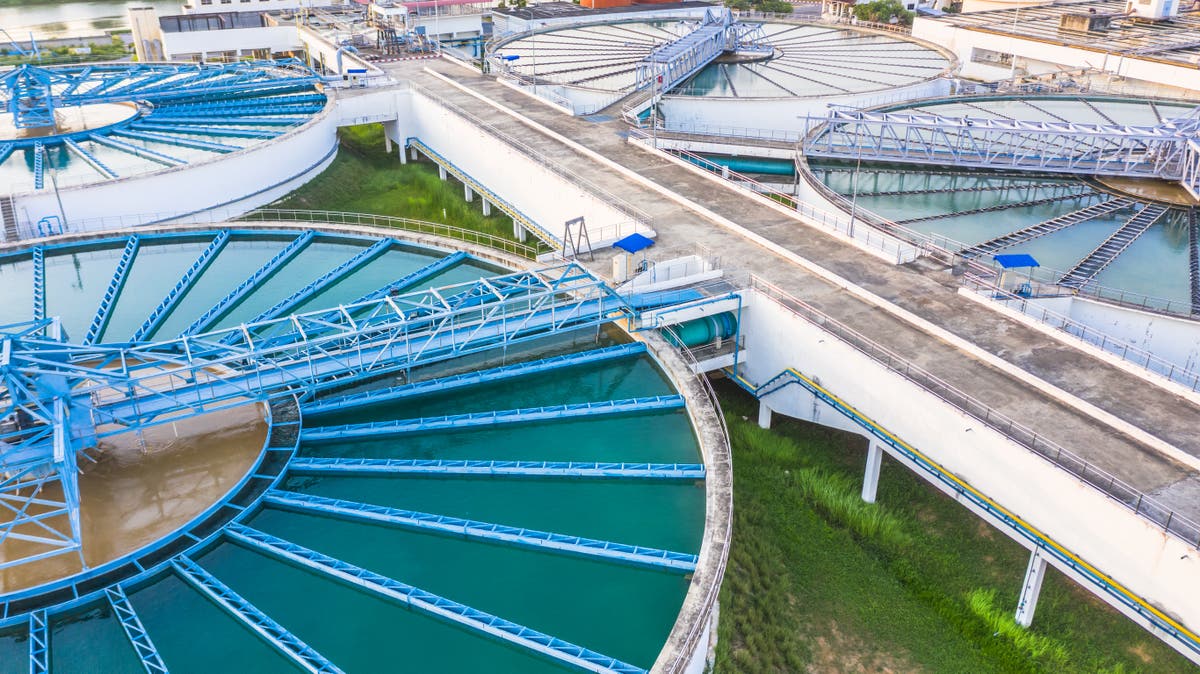
pH adjustment is necessary for the precipitation of heavy metals in wastewater plants. In biological treatment processes, pH can affect the microorganism metabolizing waste. If the pH is too high or low in aeration basins, the microorganisms lose the ability to convert waste to energy and raw materials. Monitoring pH is helpful for nitrifying systems as too high or too low pH can inhibit the nitrifying bacteria and lead to process upsets.
Anaerobic digesters must maintain a balance between several microbial populations. If the pH increases outside of acceptable limits, methane production stops and the digester system will fail. To comply with regulation pH must be measured in effluent. Facilities must abide by the National Pollutant Discharge Elimination System - NPDES.

Boiler Water Applications
Proper pH balance is critical to overall boiler chemistry at nearly every stage to maintaining high purity water. pH is an important factor in monitoring the corrosive properties of water, which can damage equipment.
Methods for Monitoring pH
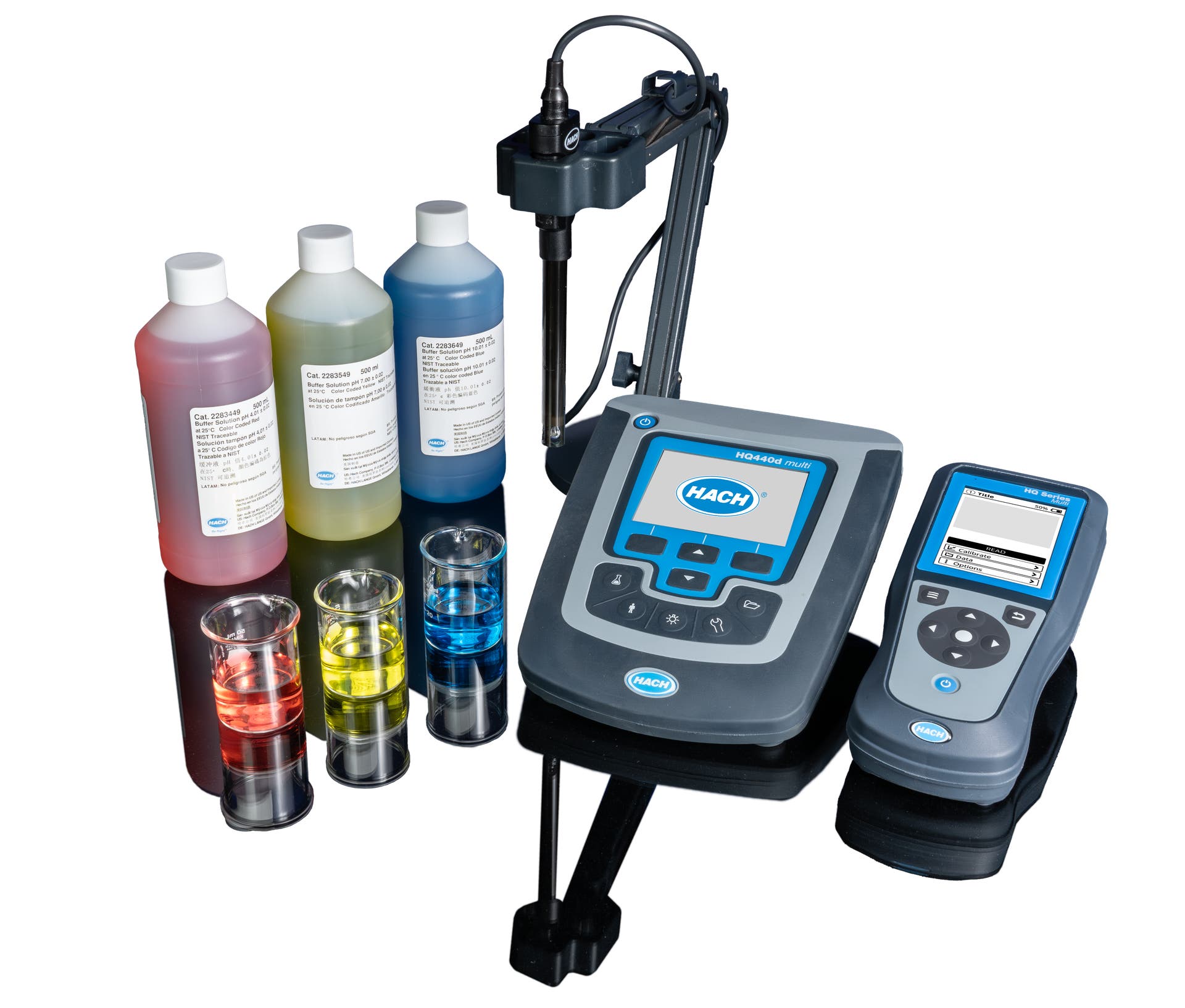
This method uses a pH sensing system (including a pH meter, a pH sensing electrode and a pH reference electrode) to take an electrochemical measurement to precisely determine where the tested fluid falls on the pH scale.
Advantages
This is the most accurate method for pH measurement. Portable, lab or process/online options are available for this method. This method can be EPA approved for monitoring pH.
Disadvantages
This method requires proper handling, care and maintenance of the pH probe and involves higher instrument costs.
An indicator solution changes color when added to the solution being tested. That color change is then visually compared against a color chart to determine pH.
Advantages
This method is simple, inexpensive and portable.
Disadvantages
Solutions being tested with this method must be free of color and have no turbidity. Solutions being tested with this method must not have a secondary reaction with the indicator solution. No online or process options exist for this method. This method does not produce exact measurements.
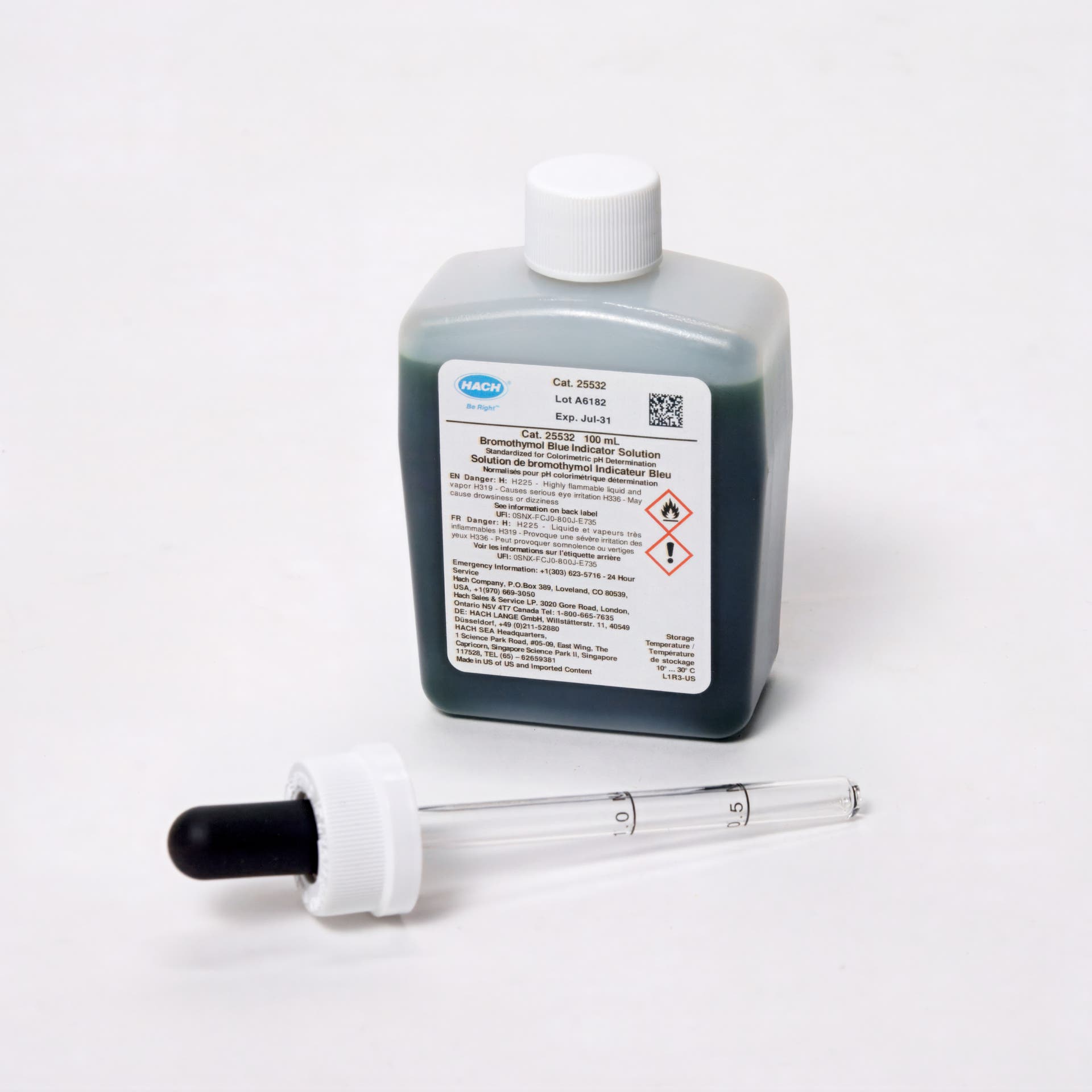
Liquid dyes are added directly to the solution to produce a color change that indicates changing pH.
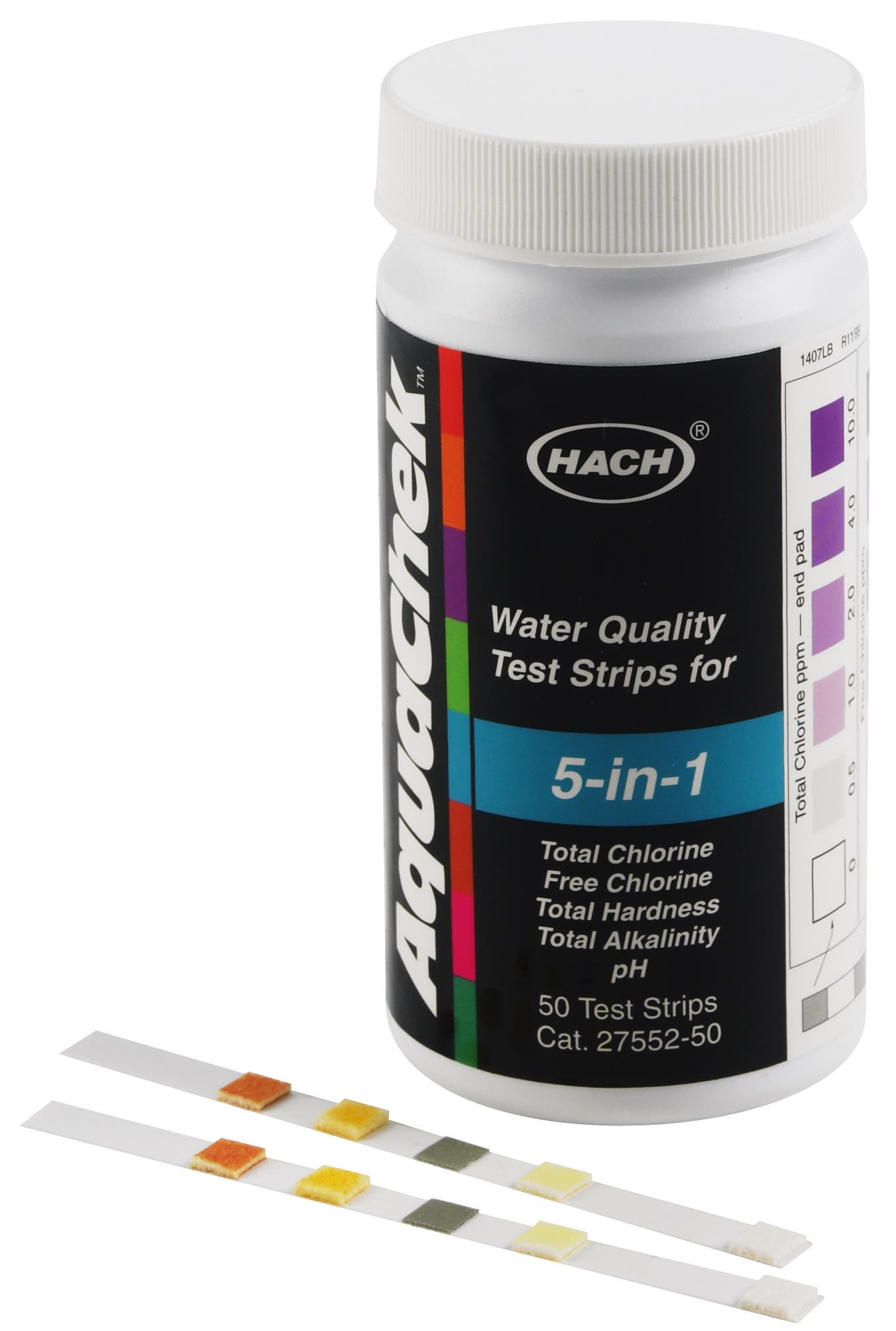
Dye-infused paper strips are dipped into a solution and then change color to indicate corresponding pH. This method is not affected by color or turbidity in a sample.
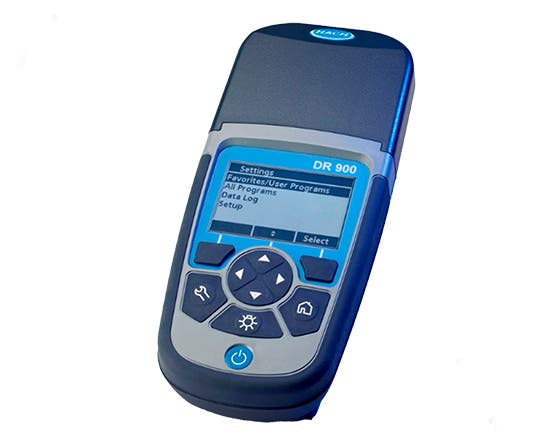
Like the visual method used in test strips and color wheels, an indicator solution is used to create a color change in the solution being tested. However, with this method the color change is not assessed by the human eye, it is measured by a photometer (colorimeter or spectrophotometer) to produce a more precise pH reading.
Advantages
This method is portable, removes the subjectivity of the human eye and does not require complex pH meter calibration.
Disadvantages
Solutions being tested with this method must be colorless. No online/process options exist for this method and there are costs associated with instruments. This method is not an EPA-approved method for monitoring pH.