Nitrogen Measurement Methods and Processes

Why Measure Nitrogen?
While nitrogen in the form of ammonia, nitrite and nitrate is an essential nutrient for plants and animals, excess nitrogen can be detrimental in many cases.
At Hach®, find the testing equipment, resources, training, and software you need to successfully monitor and manage nitrogen levels in your specific process application.
- In bodies of water, high concentrations of nitrogen can cause depletion of DO and thus negatively affect aquatic life.
- Drinking water containing excess nitrogen in the form of ammonia or nitrate can pose public health risks. Furthermore, changes in nitrite concentrations in drinking water distribution systems can indicate the onset of nitrification, which compromises water quality.
- In wastewater treatment, high concentrations of ammonia in conjunction with elevated pH can be toxic to sludge digestion microbes.

Which Processes Require Nitrogen Monitoring?
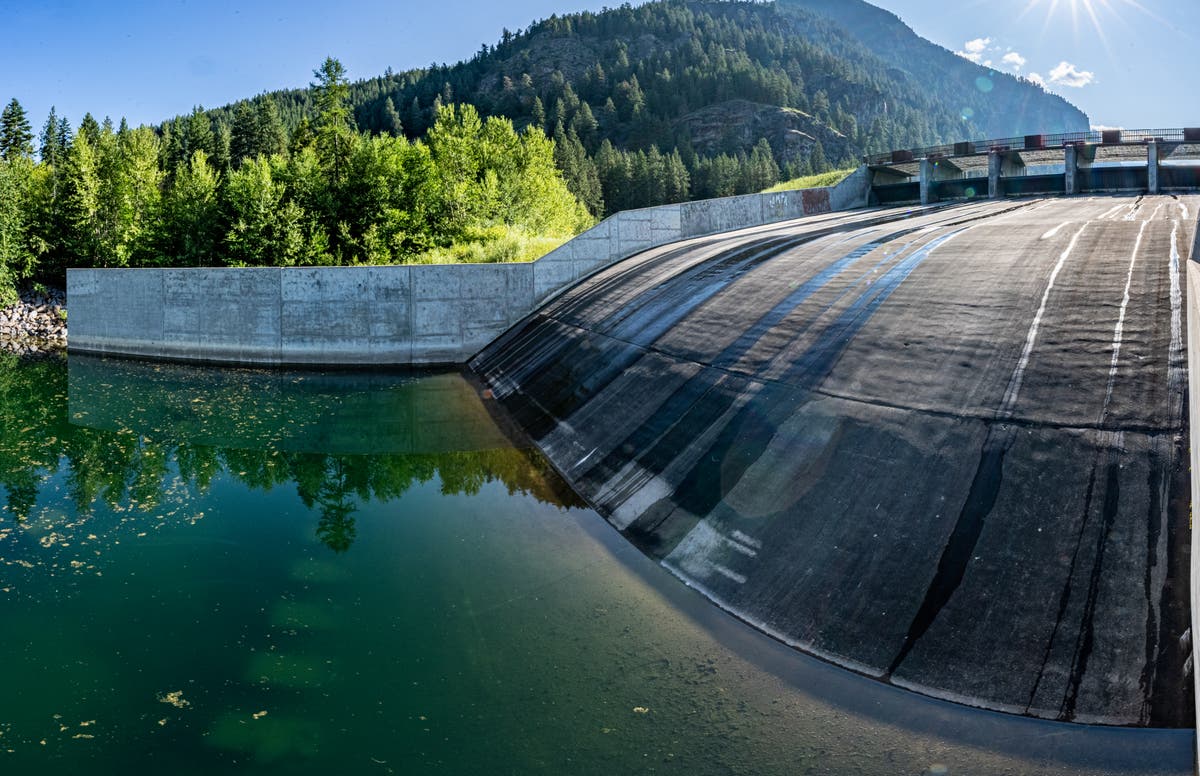
Surface Water, Blended Water and Ground Water
Ammonia, nitrite, and nitrate may naturally occur in bodies of water or be present due to fertilizer runoff, animal waste runoff, failing septic systems, blending with chloraminated water or industrial discharges containing corrosion inhibitors. Therefore, it is important to monitor ammonia, nitrite, and nitrate levels in order to guide and optimize treatment.
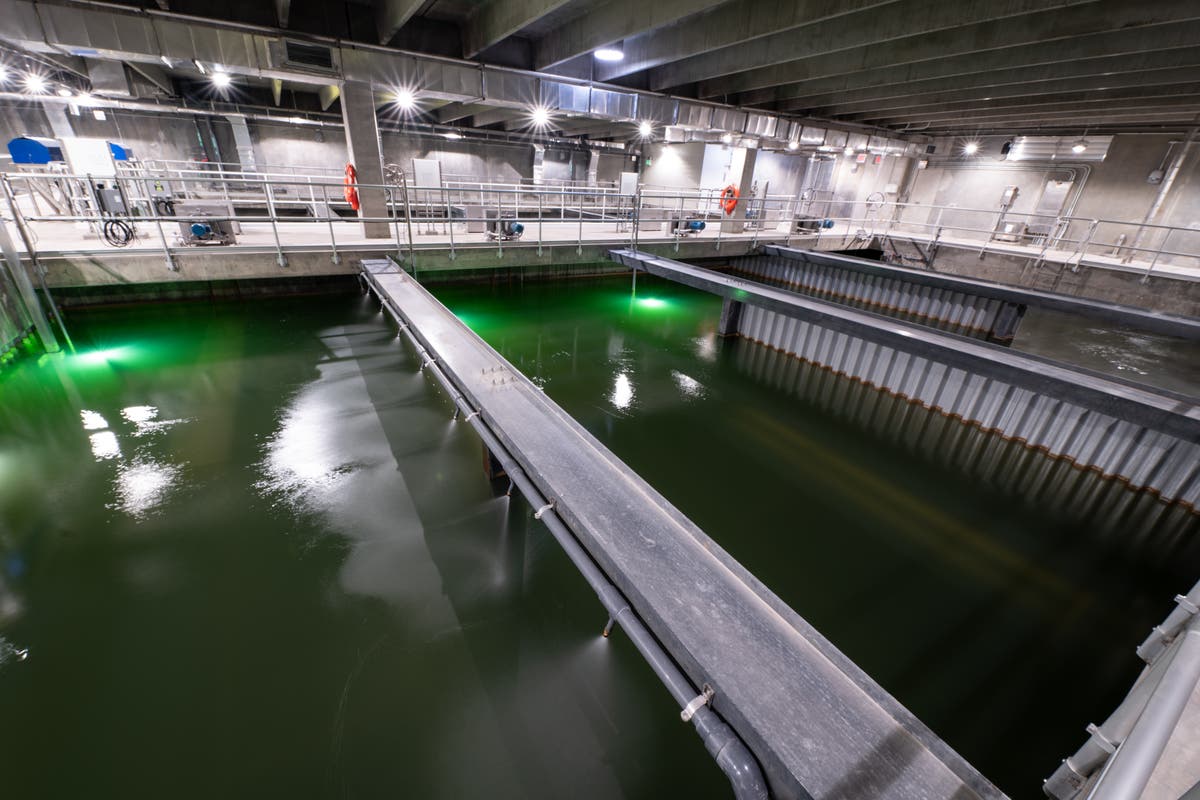
Drinking Water Treatment
When ammonia is not used during disinfection, its presence in a distribution system may indicate leaching from materials used in the pipework construction or water contamination due to damage in the system. When unwanted ammonia combines with chlorine, it diminishes the disinfection strength of chlorination.
When ammonia is used for disinfection in the chloramination process, its levels must be monitored and managed to safeguard public health.
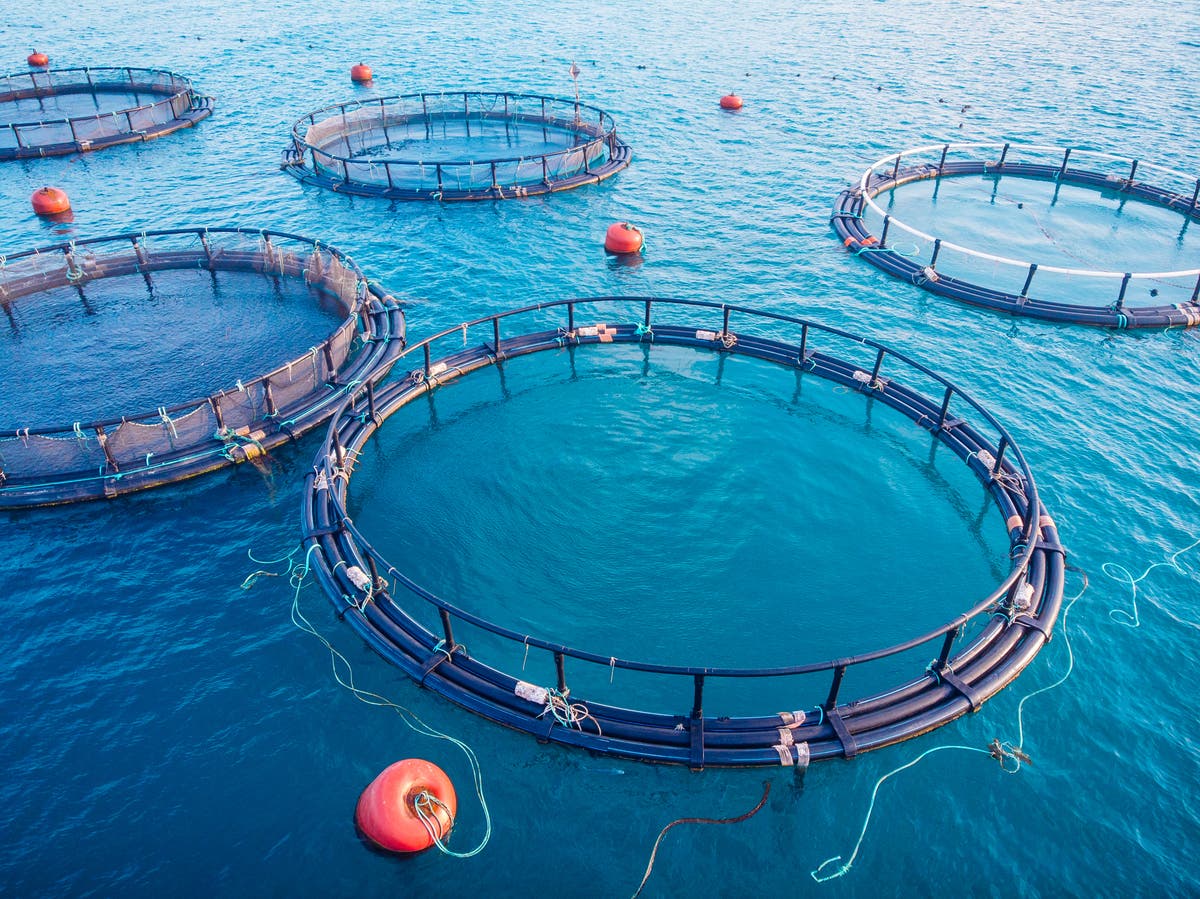
Aquaculture
As a waste product of aquatic life, ammonia can be toxic to fish and aquatic plants at levels as low as 0.5 mg/L. In established aquariums, ammonia can be rapidly converted to nitrite and eventually nitrate. Most aquariums aim to have zero ammonia present.
In natural aquatic environments, high ammonia levels can result in excess algae growth that blocks sunlight, impairing sight-feeding and photosynthesis.

Agriculture
Nitrogen in the form of ammonia is used by plants to create essential organic molecules needed by complex organisms. To aid or enhance this natural process (which is part of the nitrogen cycle), ammonia is often added to fertilizers. For example, hydroponic nutrient solutions introduce nitrogen as an ammonia salt. Ammonia can also be present in soil due to urea dosing.
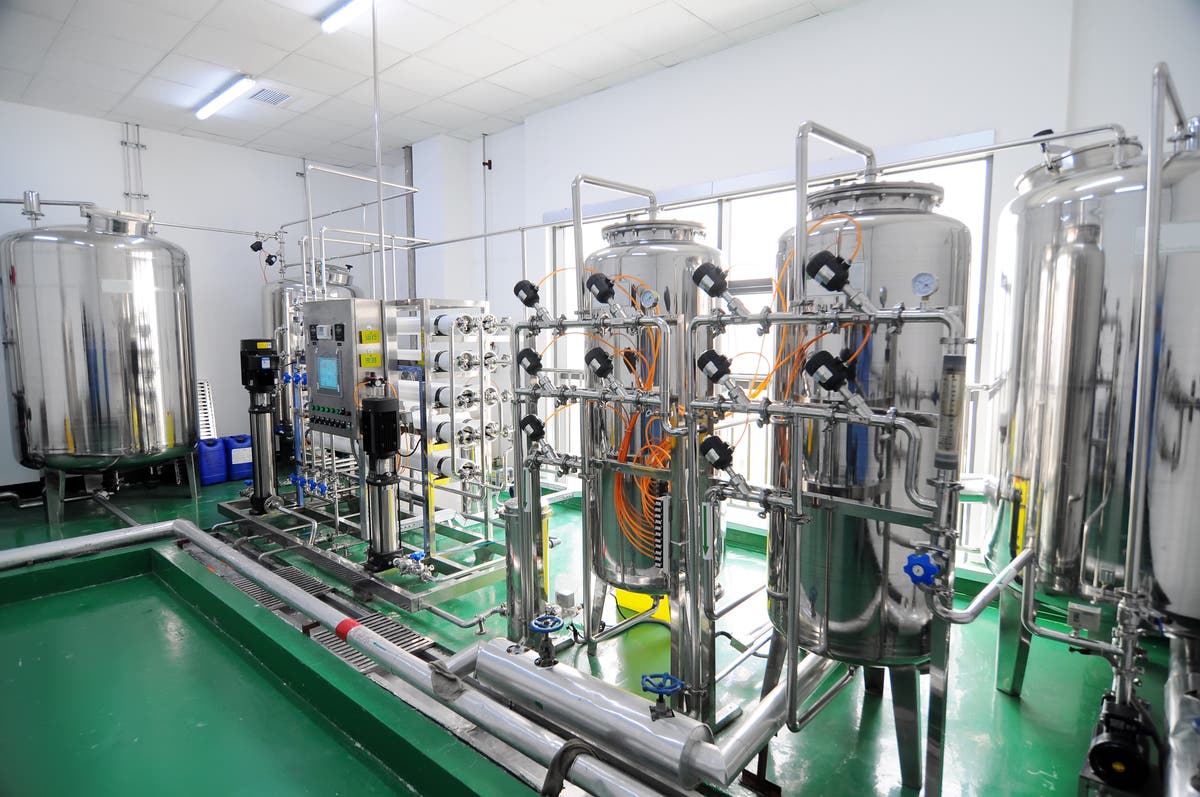
Pharmaceutical Manufacturing
In pharmaceutical production, ammonia solution is used to regenerate weak anion exchange resins and adjust pH of the process water.
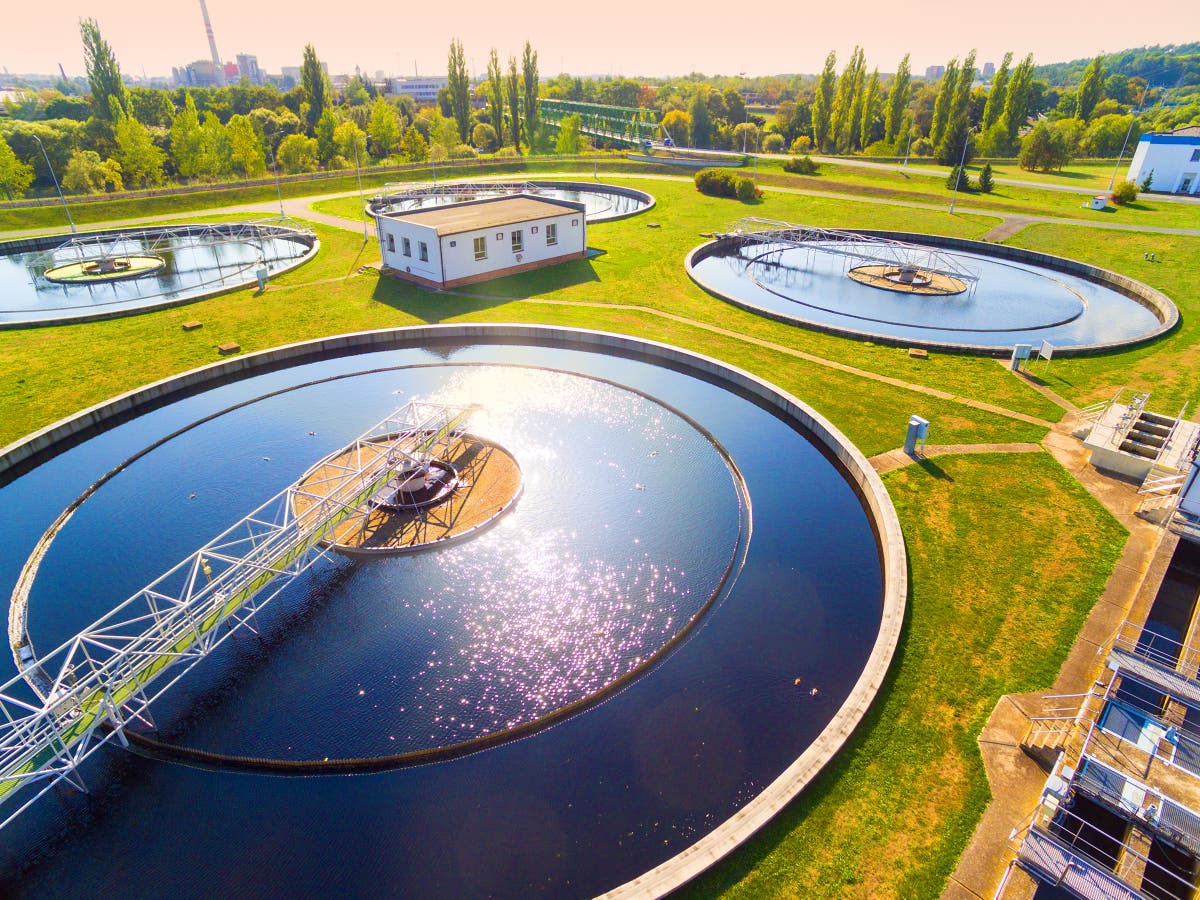
Wastewater Treatment
Total nitrogen methods measure nitrogen loads on influent streams, at intermediate stages of water treatment for sludge, and on effluent to gauge overall treatment plant efficiency. Assessing nitrogen levels allows process monitoring, adjustment and nitrogen reduction efficiency throughout the treatment.
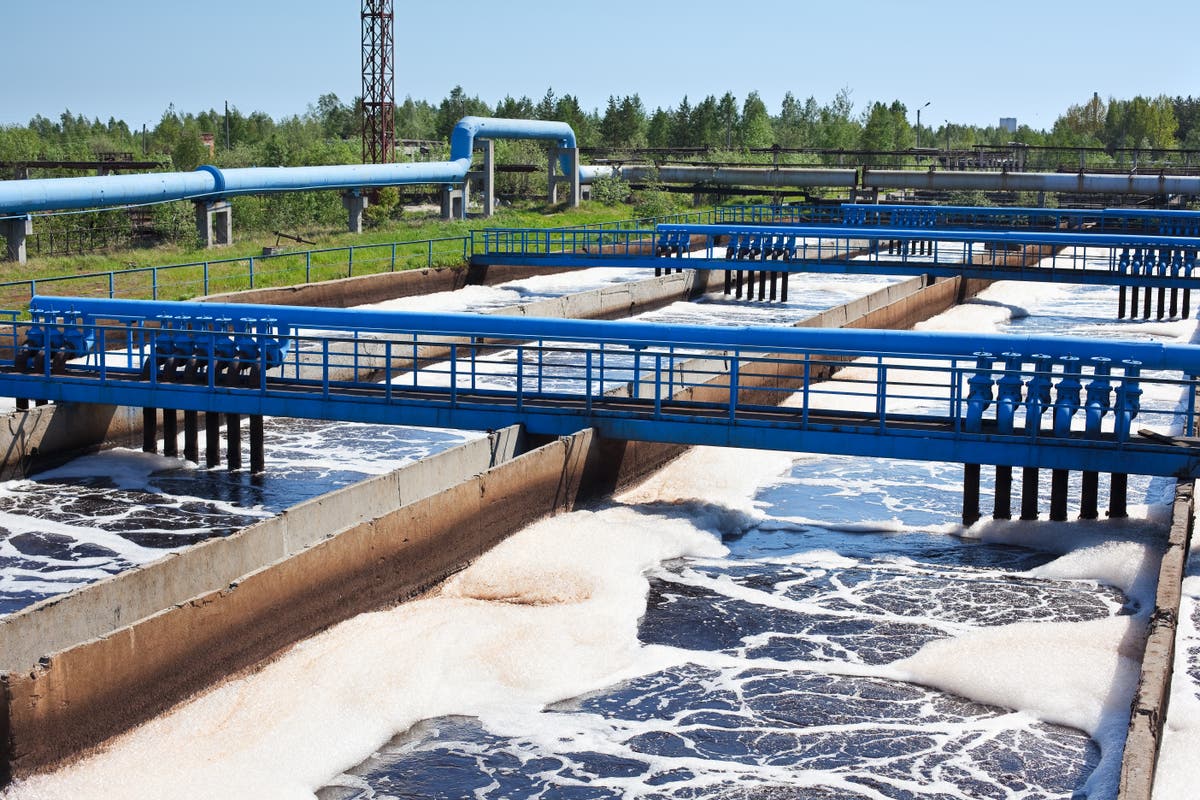
Typical ammonia levels in raw municipal wastewater range from 30 mg/L - 50 mg/L NH3-N. Nitrate levels indicate the stage of conversion of ammonia and organic nitrogen forms to nitrate by the aerobic biological treatment steps during nitrification.
Sludge Retention Time
A correct sludge retention time (SRT) and MLSS level in the aeration basin are fundamental for compliance and energy efficient treatment to ensure stable nitrification.
How is Total Nitrogen Monitored?
Titanium (III) ions reduce nitrate and nitrite to ammonia in a basic environment. After centrifugation to remove solids, the ammonia is combined with chlorine to form monochloramine. Monochloramine reacts with salicylate to form 5-aminosalicylate (a green solution), as in the salicylate method for ammonia nitrogen determination (see nitrogen and ammonia).
The organic nitrogen compounds that are present as organically bound nitrogen in the trinegative state are determined in this test. Nitrogen in this form is converted into ammonium salts by the action of sulfuric acid and hydrogen peroxide. The ammonia (both formed and initially present in the sample) is then analyzed by a Nessler Method 8075 and 8038 (LR ammonia). The measurement wavelength is 460 nm for spectrophotometers or 420 nm for colorimeters.
In the simplified TKN USEPA approved method, inorganic and organic nitrogen are oxidized to nitrate by digestion with peroxydisulfate. The nitrate ions react with 2,6-dimethylphenol in a solution of sulfuric and phosphoric acid to form a nitrophenol. Oxidized forms of nitrogen in the original sample (nitrite + nitrate, due to sample preservation) are determined in the second test vial and then subtracted, which results in TKN.
An alkaline persulfate digestion converts all forms of nitrogen to nitrate. Sodium metabisulfite is added after the digestion to eliminate interferences from halogen oxides. Under strongly acidic conditions, nitrate reacts with chromotropic acid to nitrate the biphenyl rings at several locations, forming several nitrated products. The nitrated products are measured at 410 nm.
Portable / Benchtop: Inorganic and organic nitrogen compounds are digested with peroxodisulfate and oxidized to nitrate. The nitrate ions react with 2,6-dimethylphenol in a solution of sulfuric and phosphoric acid to form a nitrophenol. The measurement wavelength is 345 nm.
Benchtop: Inorganic and organic nitrogen compounds are digested with peroxydisulfate and oxidized to nitrate. The nitrate is reduced to nitrite by adding a reducing reagent. The nitrite reacts in an acidic medium with the color reagent to produce a violet azo complex. The measurement wavelength is 546 nm.
Online: Two-stage advanced oxidation process using hydroxyl radicals. Direct photometric analysis of nitrate after oxidation.