Water Analysis for Preliminary & Primary Treatment for Wastewater
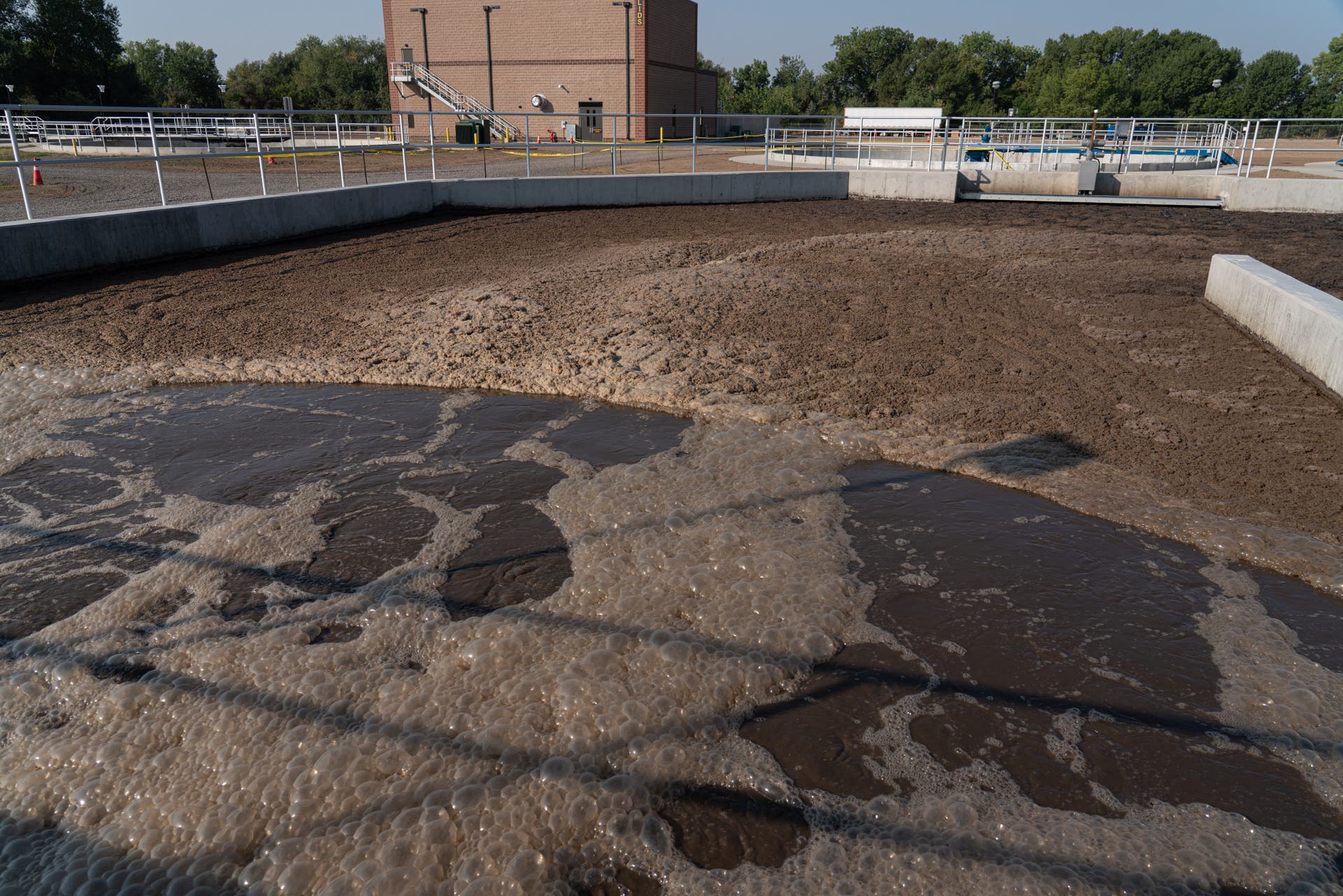
Preliminary Treatment
Preliminary treatment is typically the first process within the treatment plant and consists of two categories:
- Screening: This is the process of removing trash, rags and other debris by passing the water through a mechanical screen or rotating drum.
- Gritting: Grit is removed by reducing the velocity of the wastewater, so that heavier inorganic particles like pebbles and sand can settle to the bottom and be removed via gravity.
The grit and screenings are washed and compacted before being collected in a dumpster. These preliminary processes are very important for modern water resource recovery facilities, as grit and debris can irreparably harm downstream processes including primary clarifier mechanisms, aeration diffusers and membranes.
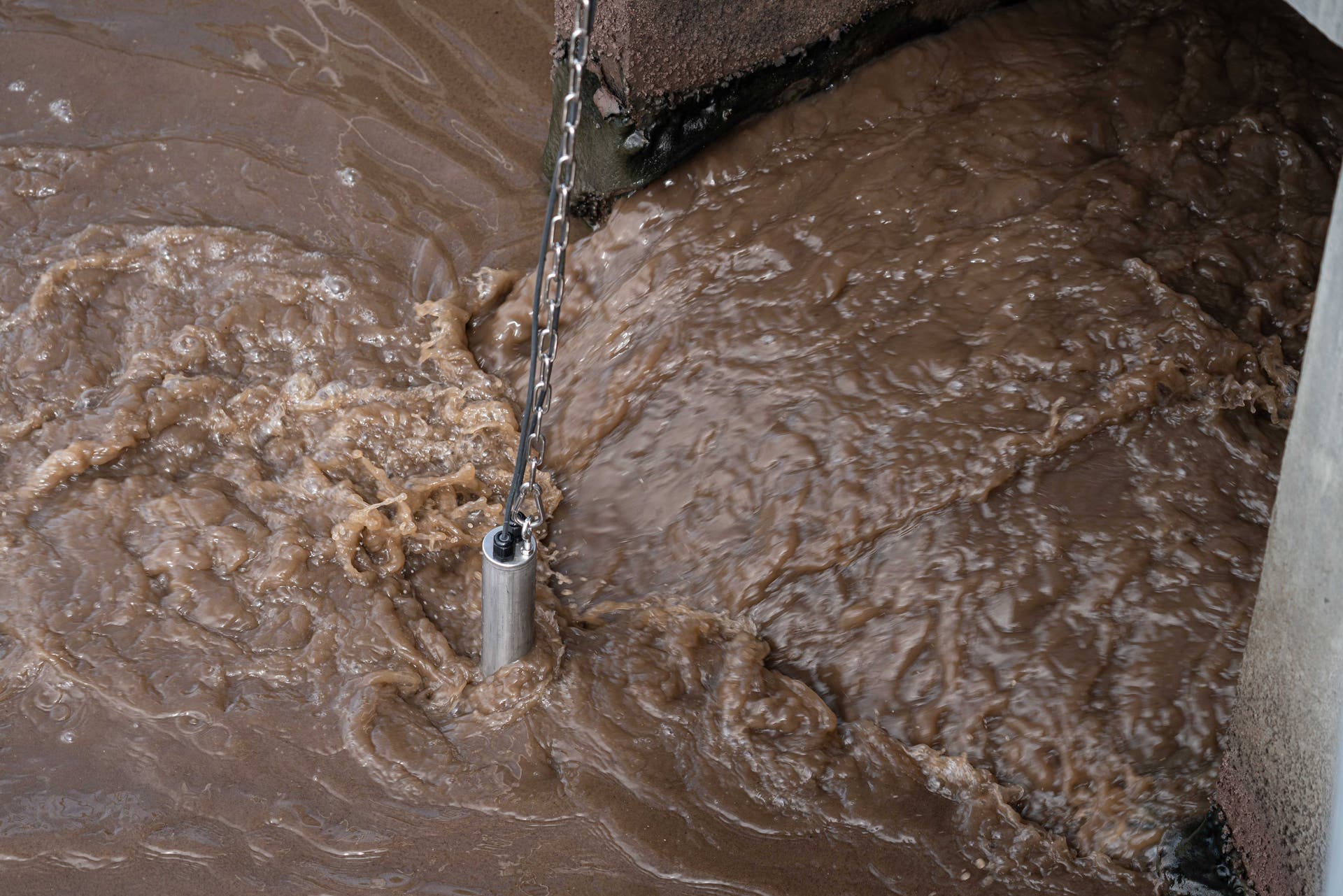
Primary Treatment
During primary treatment, primary clarifiers allow organic solids to settle through gravity, while fats, oils and greases are allowed to float to the surface. The settled solids are referred to as primary sludge and often are thickened in a downstream process before delivery into an anaerobic digester. The floating fat, oil, and grease is collected from the surface and are typically added directly to the anaerobic digester.
A typical primary clarifier will remove approximately 70% of the solids and 45% of the Biochemical Oxygen Demand from the screened wastewater. Modern facilities that operate enhanced biological nutrient removal processes often extract or ferment the carbon in the primary sludge and dose this side stream into anaerobic or anoxic processes downstream, as a food source for the respective biology.
Customer Challenges
Influent Management
Help Optimize Process Settings
- To adapt to unexpected influent changes hydraulic (flow) and loading (all parameters)
- Ranging and unexpected concentrations is a concern because these concentrations can cause issues. For example: Unexpected toxic and organic loads significantly impact biological systems
- NPDES permit sample location (Before any in-plant sidestream)
Influent to Primary Clarifier (Post-Screen)
Help Optimize Process Settings
- To adapt to unexpected influent changes hydraulic (flow) and loading (all parameters)
- Ranging and unexpected concentrations is a concern because these concentrations can cause issues. For example: Unexpected toxic and organic loads significantly impact biological systems
- NPDES permit sample location (Before any in-plant sidestream
Primary Clarifier Effluent
Optimize/Adapt/ Help Treatment Settings
- To adapt to unexpected influent changes hydraulic (flow) and loading (all parameters)
- Ranging and unexpected concentrations is a concern because these concentrations can cause issues
- Nutrient and Carbon loading into biological reactors