Nitrate Measurement Processes and Methods

Why Nitrate Measurement and Testing Matter to Water Quality
Nitrite and nitrate are vital sources of nitrogen for plants and the complex organisms that consume them. Composed of oxygen and nitrogen, the nitrate ion occurs naturally in soil. Because nitrites readily oxidize to nitrates, they are not often found in surface waters.
When concentrations are adequately monitored and maintained, nitrite and nitrate play an important role in many industrial and municipal water-quality monitoring programs:
- Nitrites are often used as corrosion inhibitors in industrial process water and cooling towers.
- The food industry uses nitrite compounds as preservatives.
- Many granular commercial fertilizers contain nitrogen in the form of nitrates.


Why Measure Nitrate and Nitrite?
Maintaining safe nitrite and nitrate levels is important for ensuring adequate water quality across a variety of applications.
Excessive nitrite and nitrate concentrations can negatively affect water treatment processes and pose health risks including the following:
- High levels of nitrate in water may indicate biological wastes in the final stages of stabilization or run-off from heavily fertilized fields.
- Nitrate-rich effluents discharged into receiving waters can degrade water quality by encouraging the excessive growth of algae.
- Drinking waters containing excessive amounts of nitrates (MCL = 10 mg/L) can cause infant methemoglobinemia (blue babies), while nitrite concentrations seldom exceed 0.1 mg/L.
Nitrite and nitrate concentrations can negatively affect wastewater treatment processes and pose health risks including the following:
- Nitrates cause a degradation in systems that maintain biological phosphorus removal by fouling anaerobic zone conditions.
- Chlorine disinfection system effectiveness is reduced by the presence of nitrite.
- Total inorganic nitrogen (TIN) content in wastewater effluent contributes to receiving water quality degradation.
Which Processes Require Nitrate/Nitrite Monitoring?

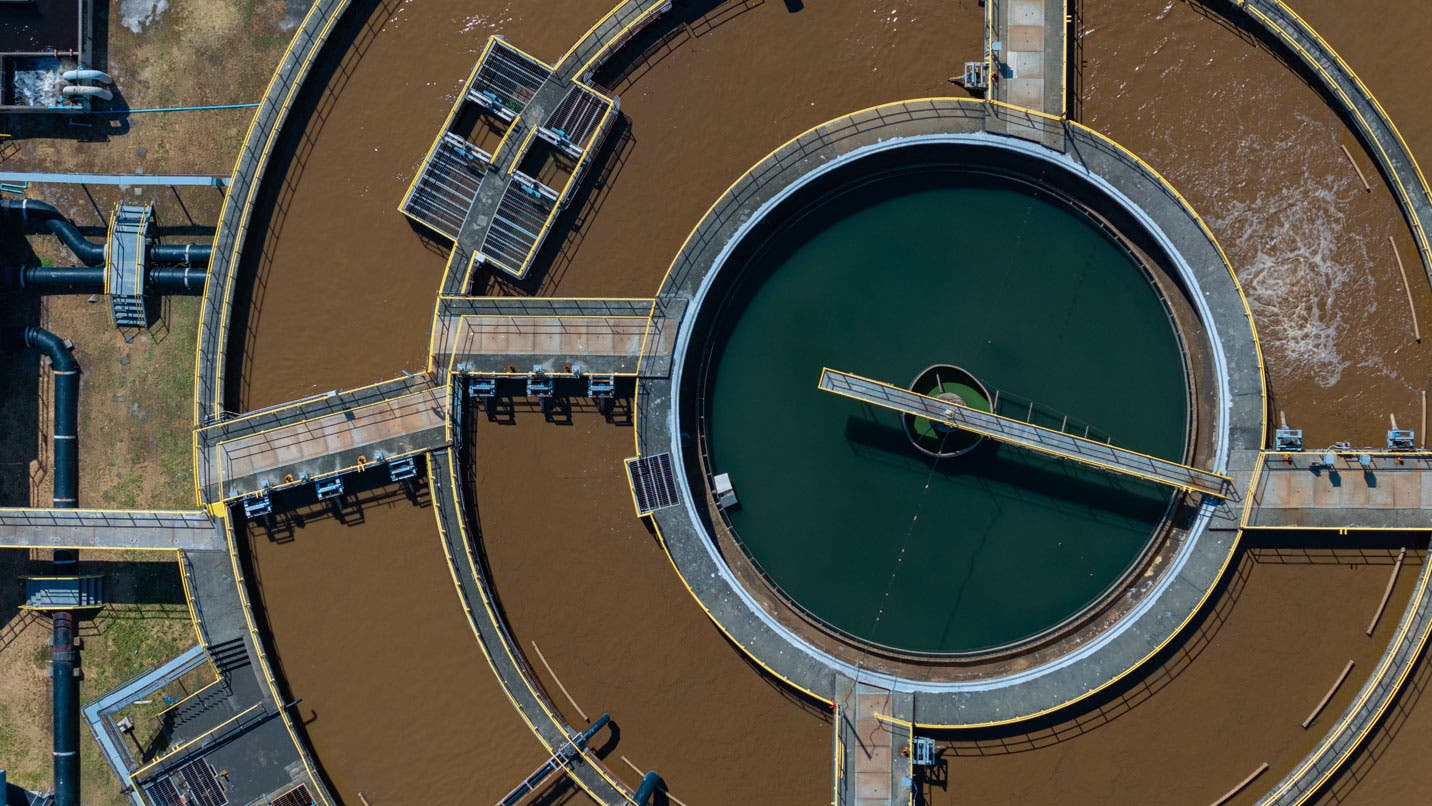
Wastewater Treatment
In wastewater systems where specific forms of nitrogen are limited in permits or systems where monitoring is required, nitrite and nitrate concentrations through the system should be understood.
Systems that are required to monitor effluent total nitrogen (TN), total inorganic nitrogen (TIN) or NOx should sample for nitrite (NO2-) and nitrate (NO3-) at important locations thought the plant.
Nitrification and denitrification efficiency and stability depends on many factors: proper pH, alkalinity, dissolved oxygen (DO), temperature, available carbon, solids retention time (SRT), internal mixed liquor recycle rates (IMLR), and anoxic conditions among other factors for each respective biological system.
Nitrogen enters wastewater plants as ammonia (NH3) or ammonium (NH4+) and is removed by biological treatment processes. Typical ammonia nitrogen levels in raw municipal influent range from 30 mg/L - 50 mg/L NH3-N. Nitrate levels indicate the stage of conversion of ammonia and organic nitrogen forms to nitrate by the aerobic biological treatment steps during nitrification.
Nitrification converts ammonia/ammonium to nitrate in an oxic condition with a stable population of nitrifying bacteria, proper oxygen (DO), alkalinity, pH, temperature and solids retention time (SRT).
Denitrification converts nitrate ultimately to nitrogen gas (N2) where it’s removed from the system in an anoxic condition with adequate readily biodegradable carbon, proper detention time, temperature and void of free oxygen (DO). If the system has an internal recycle (IR or IMLR) to aid in denitrification, proper recycle rates should be monitored.
Anoxic zone nitrate monitoring is important to understand the effectiveness of denitrification. In systems with swing zone, capability can be an indicator to facilitate either anoxic or oxic swing zone requirements.
In systems that perform biological phosphorus removal (BPR), nitrates should be monitored in a return activated sludge (RAS) flow that enters the anaerobic zone. Nitrates entering this zone reduce or stop key functions of biological phosphorus removal in this stage.
In activated sludge mixed liquor (ML), nitrite and nitrate monitoring at the end of the biological system before it enters secondary clarification is important to understand. Improper solids retention time (SRT) can lead to excessive solids detention in secondary settling and if nitrite/nitrate concentrations are high, this can lead to floating sludge, clarifier blanket denitrification and high effluent solids.
Certain specialized anaerobic bacteria can perform shortcut nitrogen removal. These types of bacteria do not employ standard nitrification/denitrification paths for nitrogen removal. This type of nitrogen removal is typically performed in side stream systems where levels of nitrite and nitrate are key measurements at various stages in the process. Incomplete denitrification can lead to increased chlorine disinfection costs due to nitrite demand.
Effluent nitrite and nitrate monitoring may be required as a numerical limit or monitoring parameter either as individual pollutants or as part of a total nitrogen (TN) or total inorganic nitrogen (TIN). requirement.

Surface Water, Blended Water, and Ground Water
Nitrate is a regulated contaminant for any source water often found in agricultural areas due to the use of fertilizers. Similarly, it is important to monitor groundwater for nitrite because it may also be present in source waters lacking dissolved oxygen and because during treatment, nitrite is oxidized to produce nitrate.
Groundwater, especially under the direct influence of surface waters (GWUDI), may contain compounds like nitrate that, while not necessarily harmful for human health at levels below MCL (10 mg/L), can provide treatment challenges to some systems (especially those using chlorine for the first time).
Drinking Water Treatment
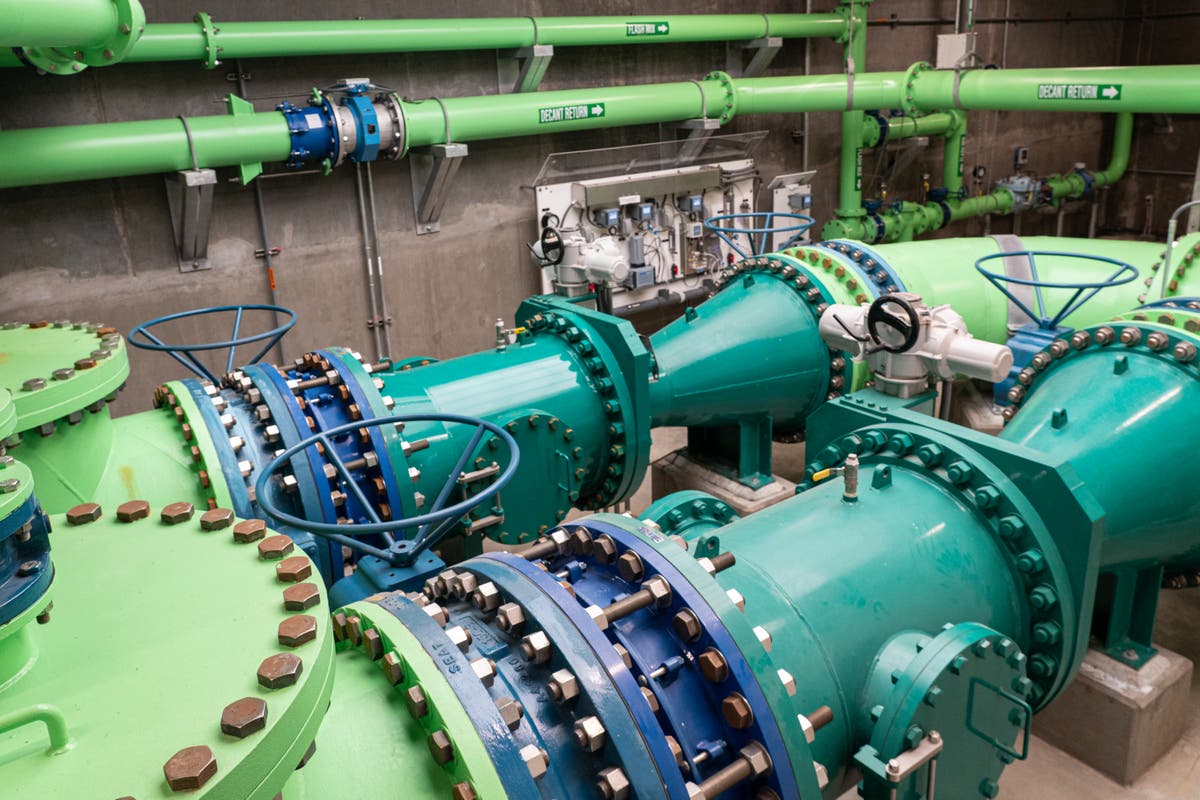
It is important to monitor source water for nitrite as it may be present and will get oxidized during treatment to produce nitrate. Measuring both nitrite and nitrate in chloraminated tap water is crucial to detect onset and ongoing nitrification to take timely mitigation actions. Changes in nitrite concentrations in chloraminated drinking water distribution systems can be an early indication of nitrification. It is crucial to monitor nitrite and nitrate and keep their concentrations at regulated levels to protect public health.
How Are Nitrate/Nitrite Levels Monitored and Managed?
This method is predominantly used for wastewater. In an acidic medium, ferrous sulfate reduces nitrogen in nitrite (NO2-) to form nitrous oxide (NO). Ferrous ions combine with the nitrous oxide to form a brown-colored complexion, the color intensity of which is in direct proportion to the nitrite present in the water sample. Color development follows Beer’s Law.
In this low range nitrite test, nitrite ions react with sulfanilic acid to form an intermediate diazonium salt. This reacts with chronotropic acid to produce a red-orange complex directly proportional to the amount of nitrite present. A measurement of the color intensity then provides an accurate determination of the nitrite concentration in the water sample. This method can be used for wastewater, seawater, drinking water, surface water, and process water.
Ferroin indicator and acid are added to the sample. The sample is titrated with tetravalent cerium ion, which is a strong oxidant. After the cerium oxidizes the nitrite, the indicator is oxidized and causes a color change from orange to pale blue. The quantity of titrant used changes in relation to the concentration of sodium nitrite in the sample. This method is used for cooling tower waters.
Nitrate in the sample reacts with chromotropic acid under strongly acidic conditions to yield a yellow product that can be analyzed with a spectrophotometer or colorimeter. This method is used for wastewater.
In this colorimetric method, use for drinking water, wastewater and seawater, nitrate is reduced to nitrite with copper-plated cadmium particles. The diazonium reagents then react with the nitrite to produce a red color. The intensity of the color is proportional to the original amount of nitrate and nitrite present in the sample.
In this colorimetric method, use for drinking water, wastewater and seawater, nitrate is reduced to nitrite with hydrazine sulfate. The diazonium reagents then react with the nitrite to produce a red color. The intensity of the color is proportional to the original amount of nitrate and nitrite present in the sample.
This method is used for wastewater, drinking water, surface water and process water. Nitrate ions in solutions that contain sulfuric and phosphoric acids react with 2,6- dimethylphenol to form 4-nitro-2,6-dimethylphenol, which can then be measured (wavelength 345 nm).
Nitrate ions are selectively absorbed by the ISE membrane. The absorbed nitrate ions cause a potential (voltage) that is proportional to the concentration of nitrate in the sample. The ISE membrane is a solvent-polymer membrane that is a nitrate ion-exchanger in an inert polyvinyl chloride (PVC) plastic matrix. The nitrate electrode has an internal silver/silver chloride element, which results in a fixed-reference potential when it touches the internal filling solution. This method is used for drinking water and wastewater.
The first measurement is done at 220 nm. Nitrate and organic matter absorb light at 220 nm. The second measurement is done at 275 nm. Nitrate does not absorb at 275 nm. The second measurement is used to correct the absorbance caused by the organic matter. Hydrochloric acid is added in the test procedure to prevent interference from hydroxide or carbonate ions. This method is not recommended for samples that contain high concentrations of organic matter, which would interfere with the test. Therefore, this method is used to screen uncontaminated natural and potable water supplies containing low concentrations of organic matter.
The concentration range for nitrate is 0-50 mg/L in steps of 0, 1, 2, 5, 10, 20, and 50; and nitrite is 0-3 mg/L in steps of 0, 0.15, 0.3, 1, 1.5, and 3.