Chlorine Measurement and Analysis
Why Chlorine Measurement, Testing and Analysis Matter to Water Quality
Chlorine (Cl2) is strong oxidizing agent and ideal disinfectant. Proper residual chlorine levels in drinking water ensure that water is safe for human consumption, but too much chlorine can have detrimental effects in pharmaceutical production, membrane treatment processes and other applications.
Proper measurement and monitoring of residual chlorine levels helps to mitigate these risks. Whether you're working in a laboratory or in the field, Hach provides a variety of chlorine analyzers, sensors, reagents and more that help offer simple and reliable measurements that you can trust.
Why Measure Chlorine?
When added to water, chlorine reacts to form free chlorine or chloramines (when ammonia is present), which:
- act as potent germicides
- oxidize metals allowing them to be removed
- reduce many disagreeable tastes and odors

Risks Associated with the Presence of Residual Chlorine
Health
Environmental
Structures
Pharmaceutical
Water Treatment Equipment
Dechlorination Methods
Which Processes Require the Monitoring of Chlorine?
Drinking Water Treatment and Distribution
During pre-oxidation, source water entering a plant is dosed with chlorine (pre-chlorination) to precipitate out minerals as a primary treatment step (besides disinfection) to help with suspended and dissolved matter removal before filtration. The water is then filtered to improve clarity and chlorinated again.
For chlorine to be effective, its concentration before and after filtration (as well as pH, water temperature, and contact time) must be monitored and controlled. Most treatment plants have a contact chamber (clear well) where chlorine is injected, mixed and allowed to remain in contact with the water for the required time dependent on the temperature, pH and type of microorganisms present in the water. The contact time provides a chlorine residual, intended to maintain water sanitized as it enters storage tanks and travels throughout the distribution system.
All chlorination before (pre-chlorination) and after filters (post-chlorination) is controlled at multiple points throughout the treatment process and in the distribution system. Additional booster chlorination of tap water in the network is usually conducted at pump/booster stations and must be thoroughly monitored and controlled.
It is essential to monitor chlorine levels in the distribution system to ensure that the proper level of chlorine residual is maintained to meet regulatory standards for disinfection, and to ensure that there is no excessive chlorine present.
Advantages of Using Chlorine to Disinfect Drinking Water
- Chlorine eliminates slime bacteria, molds and algae that commonly grow in water supply reservoirs, on the walls of water mains, and in storage tanks.
- Chlorine is a potent germicide, reducing the level of many disease-causing microorganisms in drinking water to regulatory appropriate levels.
- Chlorine helps remove dissolved iron and manganese from raw water.
- Chlorine reduces many disagreeable tastes and odors by:
- oxidizing natural organics such a foul-smelling algae secretion, sulfides, and odors from decaying vegetations.
- destroying hydrogen sulfide, which has a rotten egg smell.
- removing ammonia and other nitrogenous compounds that may cause unpleasant tastes.
Disadvantages of Using Chlorine to Disinfect Drinking Water
- Chlorine is not effective against Cryptosporidium, a life-threatening parasite.
- During chlorination, unwanted ammonia can react with chlorine excess to form chloramines that lower the disinfection potential and may create taste/odor issues when not monitored and controlled efficiently.
- When reacting with organics in water, chlorine can form disinfection by-products (DBP) that are considered harmful to human health. Due to these risks, there are regulations that limit levels of DBP as well as chlorine residual concentrations in drinking water.
Wastewater Treatment
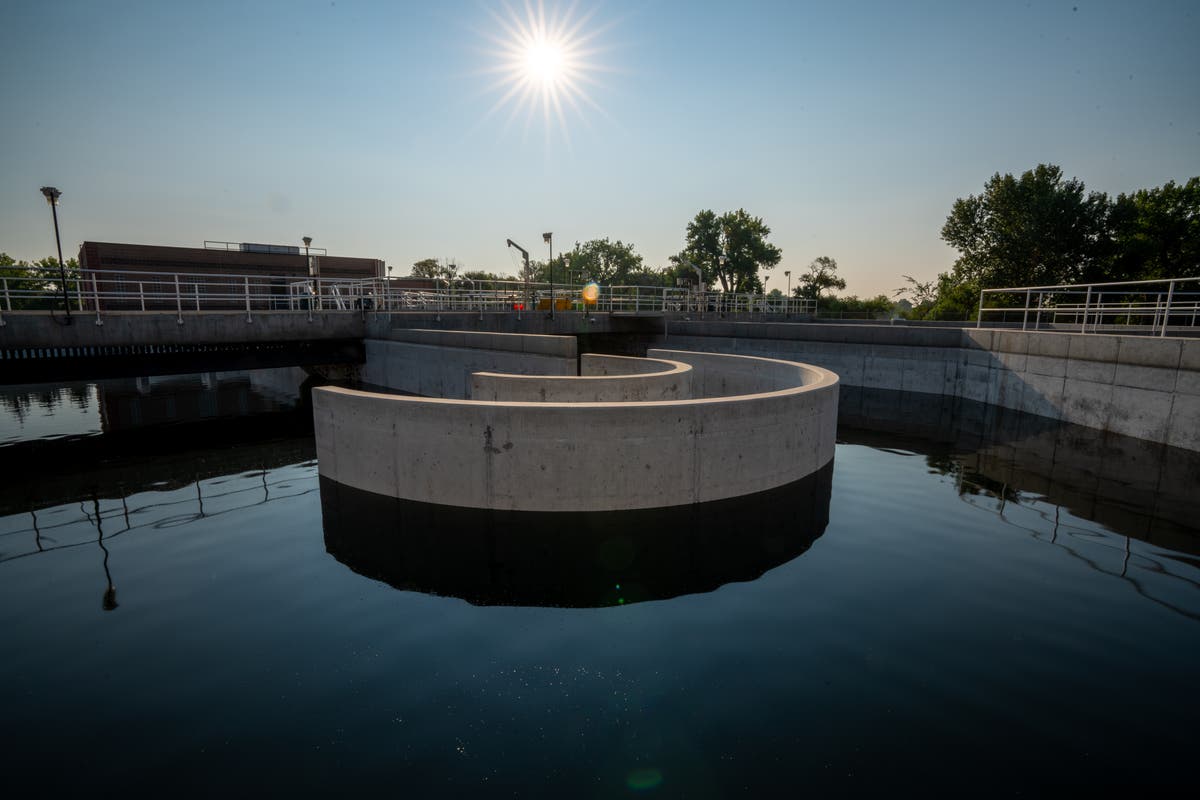
Chlorination is used in the final stages of treatment to kill pathogens, as well as the microorganisms used in previous treatment stages to prevent the spread of waterborne diseases. To reduce the toxicity of the effluent, dechlorination is used to manage chlorine residuals and ensure compliance with regulations before effluent waters are discharged into lakes, rivers or the ocean. Chlorine is used to oxidize cyanides, which are amenable to chlorination.
Industrial Cooling Towers
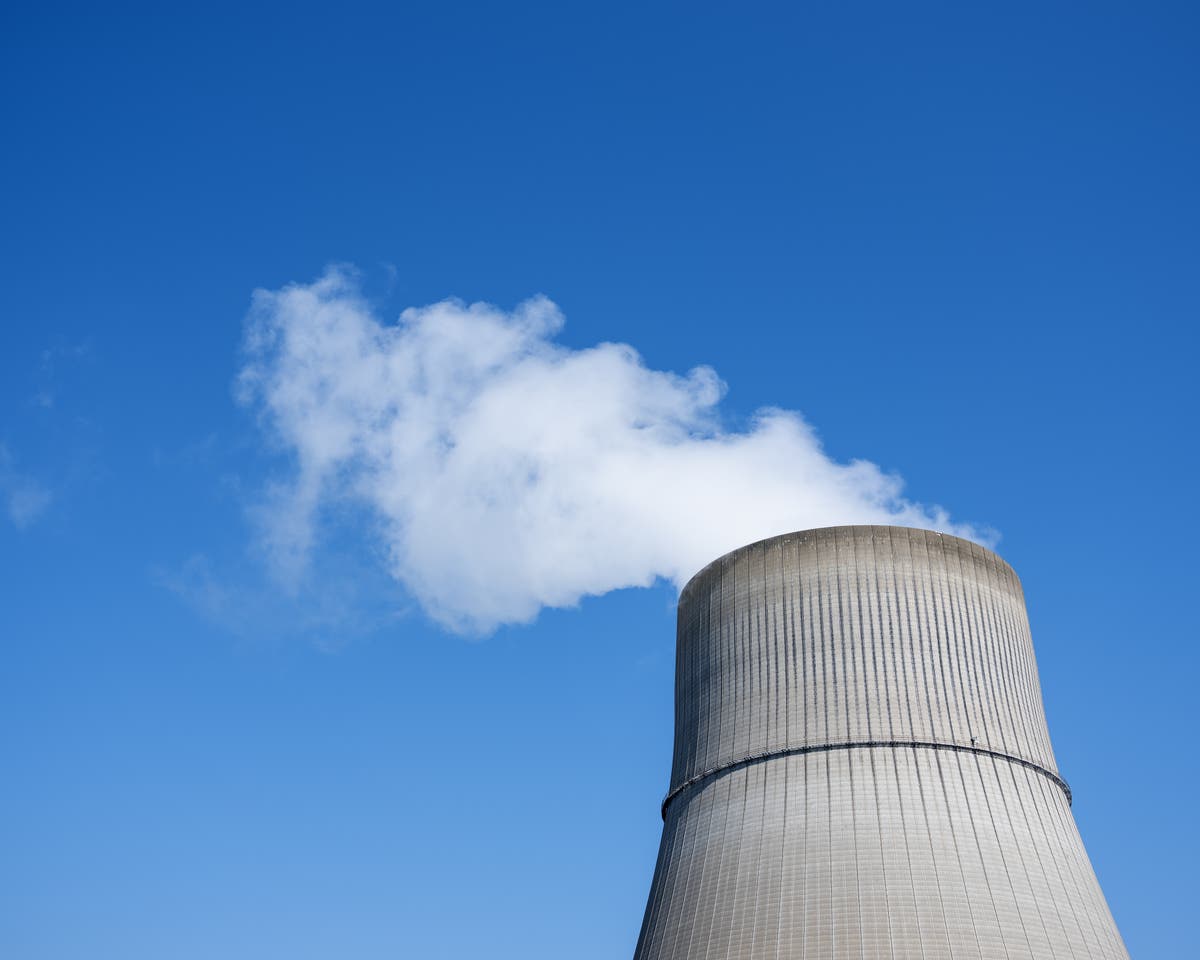
Chlorine levels must be monitored and controlled because if chlorine levels are too low, biogrowth can prevail and clog the water systems. However, if chlorine levels are too high, corrosion or other damage may occur.

Food Processing
Chlorine is often used as a sanitizing agent for fruits, vegetables, poultry and meats. Maintaining proper chlorine residuals is essential for optimizing the sanitizing power of rinse water. The recirculated water used for the rinse bath during pasteurization at the end of the packing process, accumulates contaminants. Therefore, it is necessary to maintain a chlorine residual to sanitize the water.
Clean-In-Place (CIP) Processes Used in Food, Beverage and Pharmaceutical Industries
Piping and vessels used in industrial processes are periodically cleaned and sanitized in a procedure called Clean-In-Place (CIP). Chlorine must be monitored to ensure that appropriate levels exist in the CIP solution for disinfection and to prevent contamination of products due to either lack or excess of chlorine.
How is Chlorine Monitored?
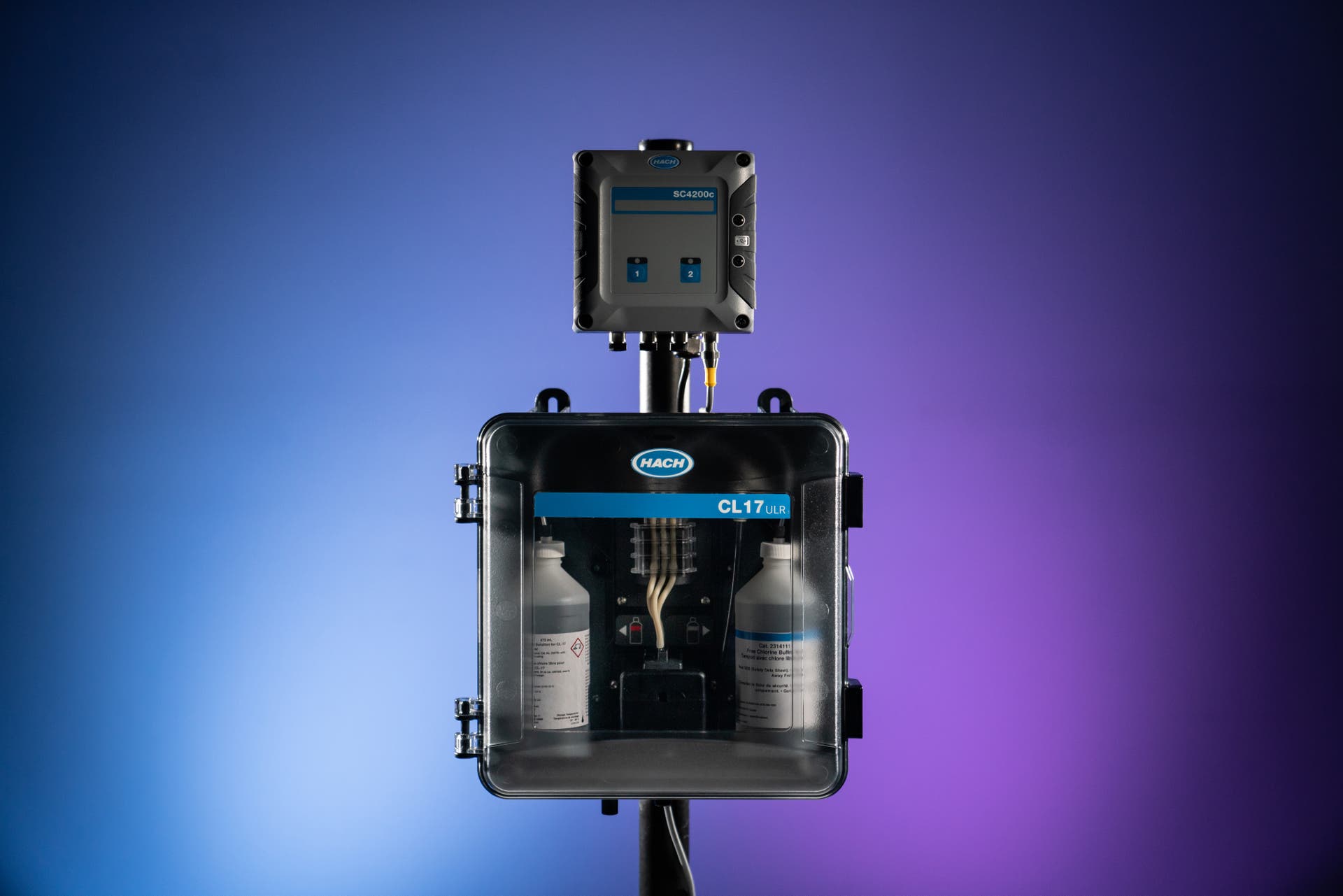
In general, this optical method uses color intensity measurements to determine the concentration of chlorine in a solution. When appropriate buffer and indicator solutions are added to the sample, a reaction occurs producing a color, which intensity is proportional to the chlorine concentration. The color intensity is measured by eye, colorimeter or spectrophotometer. This method is susceptible to interference from color and turbidity in the sample, as well as some chemical substances besides chlorine, concurrently reacting with the indicator.
DPD Method
DPD method is the most widely used colorimetric method to measure chlorine. It can be used to measure both free and total chlorine with field, lab and online instrumentation. However, DPD method is subject to interference from other oxidants such as manganese, chromium and chloramines.
Indophenol Method
Indophenol method, being selective to monochloramine, can be used to measure monochloramine and free ammonia as well as free chlorine. Monochloramine is determined directly, while for determination of both monochloramine and free ammonia in the same sample method uses additional reagent to convert free ammonia into monochloramine. Free chlorine can also be measured by the indophenol method using a two-reagent system that is not subject to the interferences that affect the DPD method. However, this method is only available for the laboratory or field analyses and not for online analyzers.
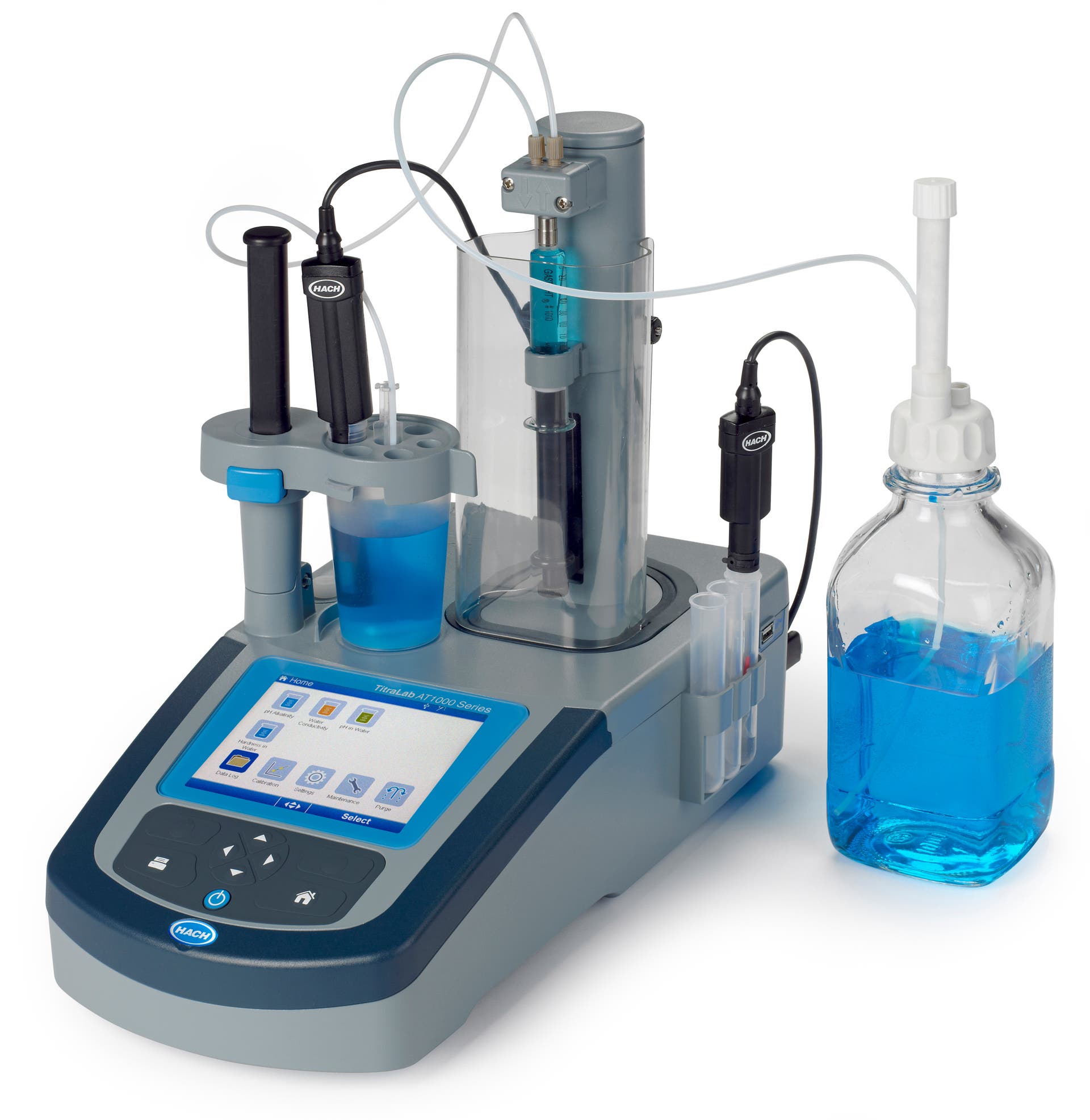
This method determines chlorine concentration based on a completion of chemical reaction between the chlorine and titrant added to the sample. The titrant is added incrementally until the reaction is complete. The endpoint (or equivalence point) is the point at which the titrant and chlorine are balanced. The equivalence point can be determined visually using a color indicator or by using an electrochemical sensor. Manual, visual measurements are less precise and more susceptible to interference from color or turbidity in the sample, while titration using electrodes is more accurate and not susceptible to those interferences.
DPD-FEAS Method
DPD-FEAS method uses a magenta visual indicator that is titrated to a colorless endpoint. This method measures free and total chlorine.
Iodometric Method
Iodometric method uses a blue visual indicator that disappears at the titration endpoint. This method is typically used to measure high concentrations of total chlorine.
Amperometric
This method represents amperometric titration to determine the endpoint either manually, or automatically. A small voltage is applied to the electrode and the endpoint is determined by a change in current, resulting from the reduction of chlorine by the titrant (phenylarsine oxide). The change in current and the volume of titrant are measured to correspond to the concentration of the chlorine. This method offers procedures for measuring both free and total chlorine, chlorine dioxide and chlorite, while using forward and back titration procedures.
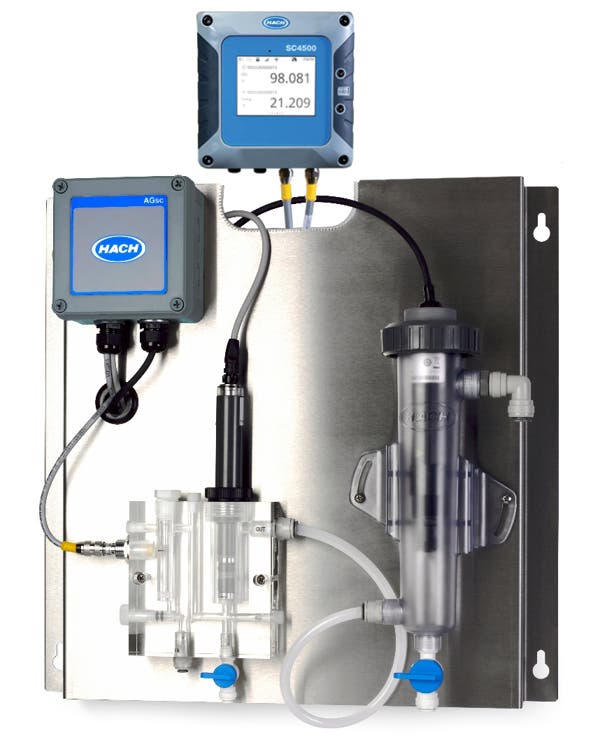
This electrochemical method measures the change in electrical current resulting from chemical reactions taking place at the electrodes, with the current being proportional to the chlorine concentration. Different amperometric sensor designs are available, providing better selectivity for different chlorine species. This method is not susceptible to interference from color or turbidity in the sample, however, the sensor surface exposed to the sample is prone to fouling. Some amperometric analyzers do not require reagents. Amperometric sensors require maintenance and must be calibrated in-situ at a frequency dependent on the application.