Silica Measurement and Processes
Why Silica Measurement and Analysis Matter to Water Quality
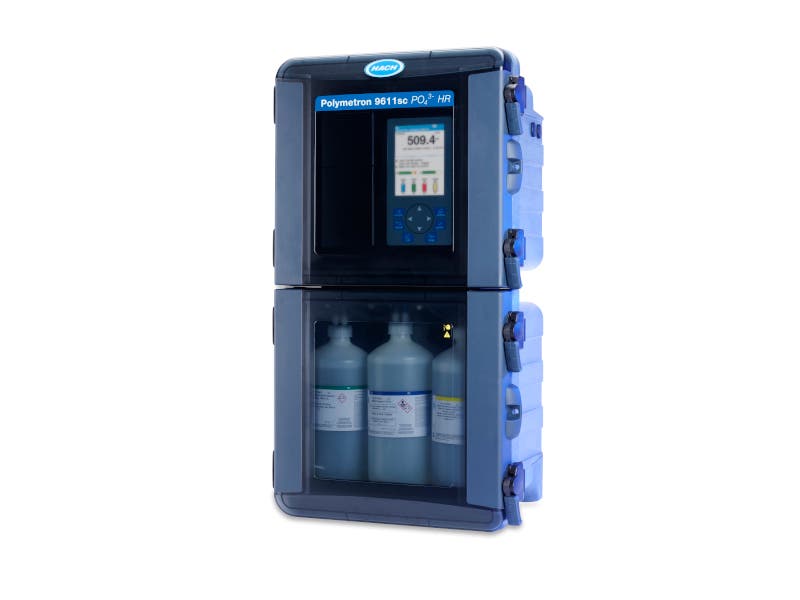
Combat the detrimental effects of silica deposits with the comprehensive range of analyzers, sensors, meters, and reagents from Hach® designed for accurate silica measurement. Silica and silicate deposits caused by high pressure and high temperatures can wreak havoc in industrial settings, particularly in boiler and steam applications, resulting in the following:
- Reduced efficiency
- Premature failure
- Increased costly downtime for cleaning
Additionally, because dissolved silica has a low ionic strength, it usually is the first impurity to break through into the effluent when resins approach exhaustion in ion exchange treatment. For this reason, silica serves as an important monitoring and control parameter in demineralization and ultrapure water treatment processes.
With Hach's silica analyzers, laboratory tests, and test kit solutions, you can proactively manage silica concentrations, ensuring uninterrupted operations and minimizing maintenance costs.
Which Processes Require Silica Monitoring?
Power and Steam
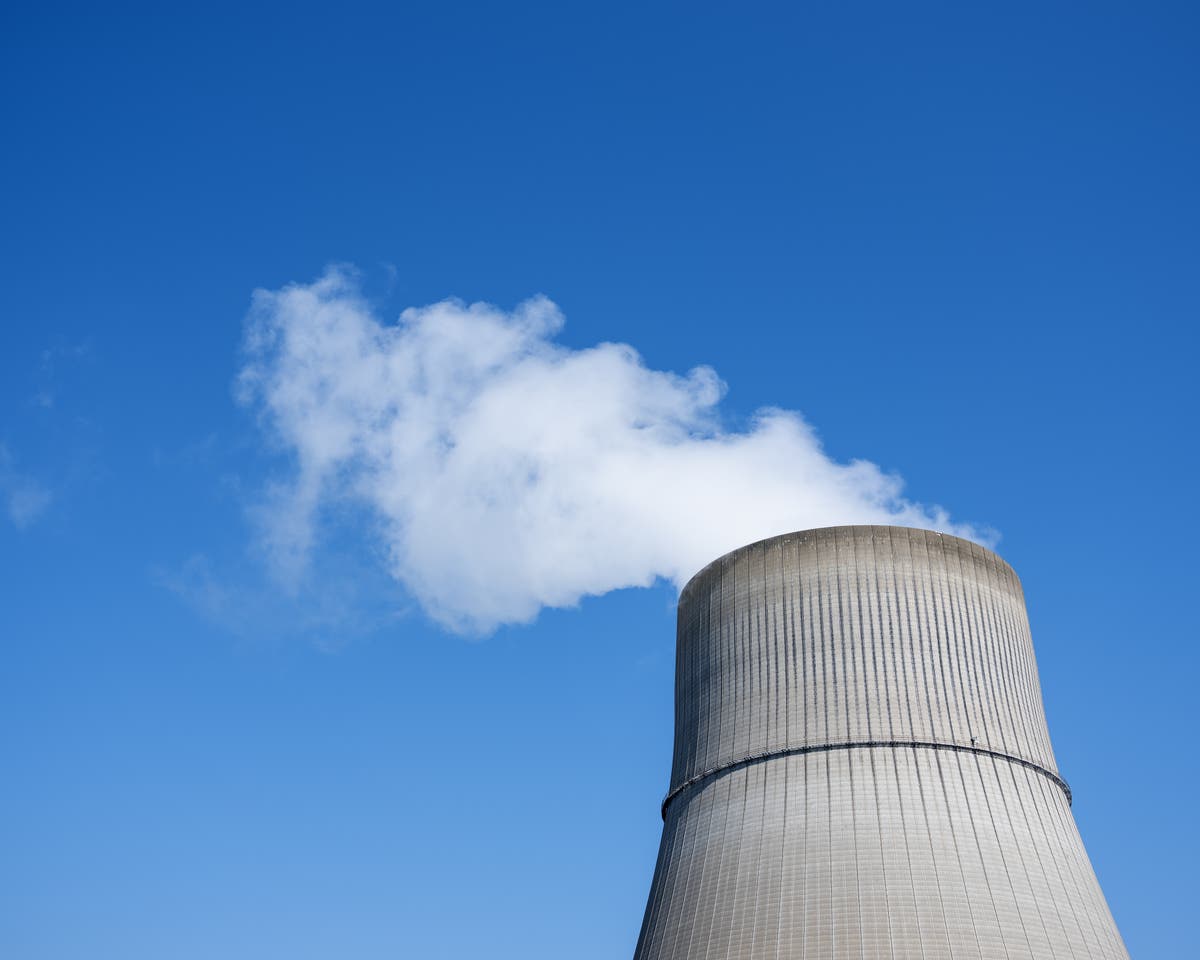
Boiler Water: Scale formation due to hardness, silica, and corrosion product deposits can decrease the heat exchange capacity and overall efficiency of the boiler. Steam quality varies with the concentration of impurities in the boiler water and the potential mechanical carryover of contaminated water droplets into the steam. The higher the operating pressure of the boiler, the higher the purity requirements since contaminant carryover is promoted.
Silica measurements (drum boiler blowdown): Silica build-up in the boiler depends on the drum pressure, below 5 ppb.
Chemical, Oil and Gas Production (Steam Assisted Gravity Drainage, SAGD)
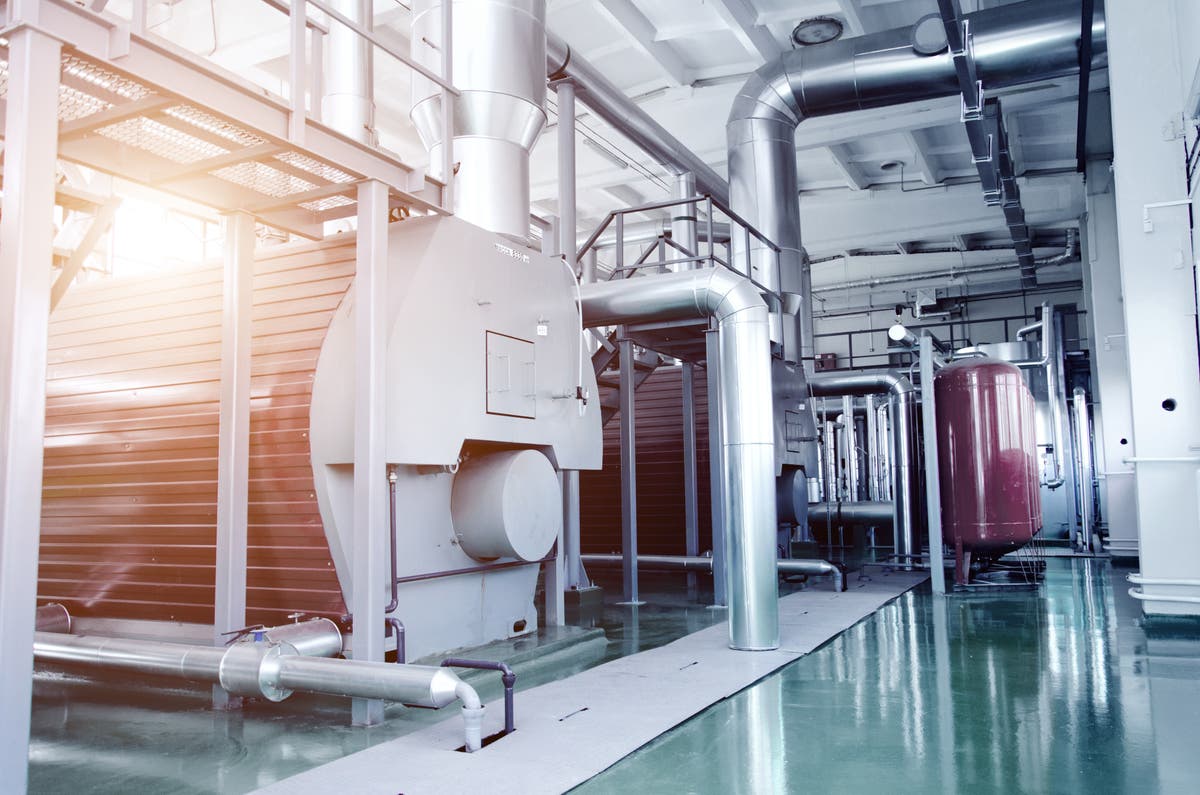
Silica is analyzed in the boiler feedwater between the WAC (weak acid cation) softeners (primary and polishing) and the boiler feedwater tank, prior to steam generation.