COD Measurement and Analysis
Why Measure Chemical Oxygen Demand (COD)?
When treated wastewater is discharged into the environment, it can introduce pollution in the form of organic content to receiving waters. High levels of wastewater COD indicate concentrations of organics that can deplete dissolved oxygen in the water, leading to negative environmental and regulatory consequences. To help determine the impact and ultimately limit the amount of organic pollution in water, oxygen demand is an essential measurement.
At Hach®, find the testing equipment, resources, training, and software for COD measurement and management during water treatment.

COD Testing Advantages
- COD is most suitable for rapid and frequent monitoring of treatment plant efficiency and water quality.
- This method is more accurate than BOD (with a 5 to 10% relative standard deviation) and it offers a relatively short analysis time (2-hour digestion time), compared to the 5-day BOD test.
- The COD oxidant is not affected by toxic materials in the sample.
- Changes in the COD value between influent and effluent may parallel BOD content and supplement BOD results.
COD Testing Limitations
- Some organic compounds are not oxidized completely with the COD method.
- COD measurement can experience interference from chloride ions.
Considerations for Selecting a Method for Analyzing Oxygen Demand
Specific testing application
Oxidant that will be used
Completion time
Accuracy and precision of the measurement
Which Processes Require Chemical Oxygen Demand Monitoring?

Primary Treatment
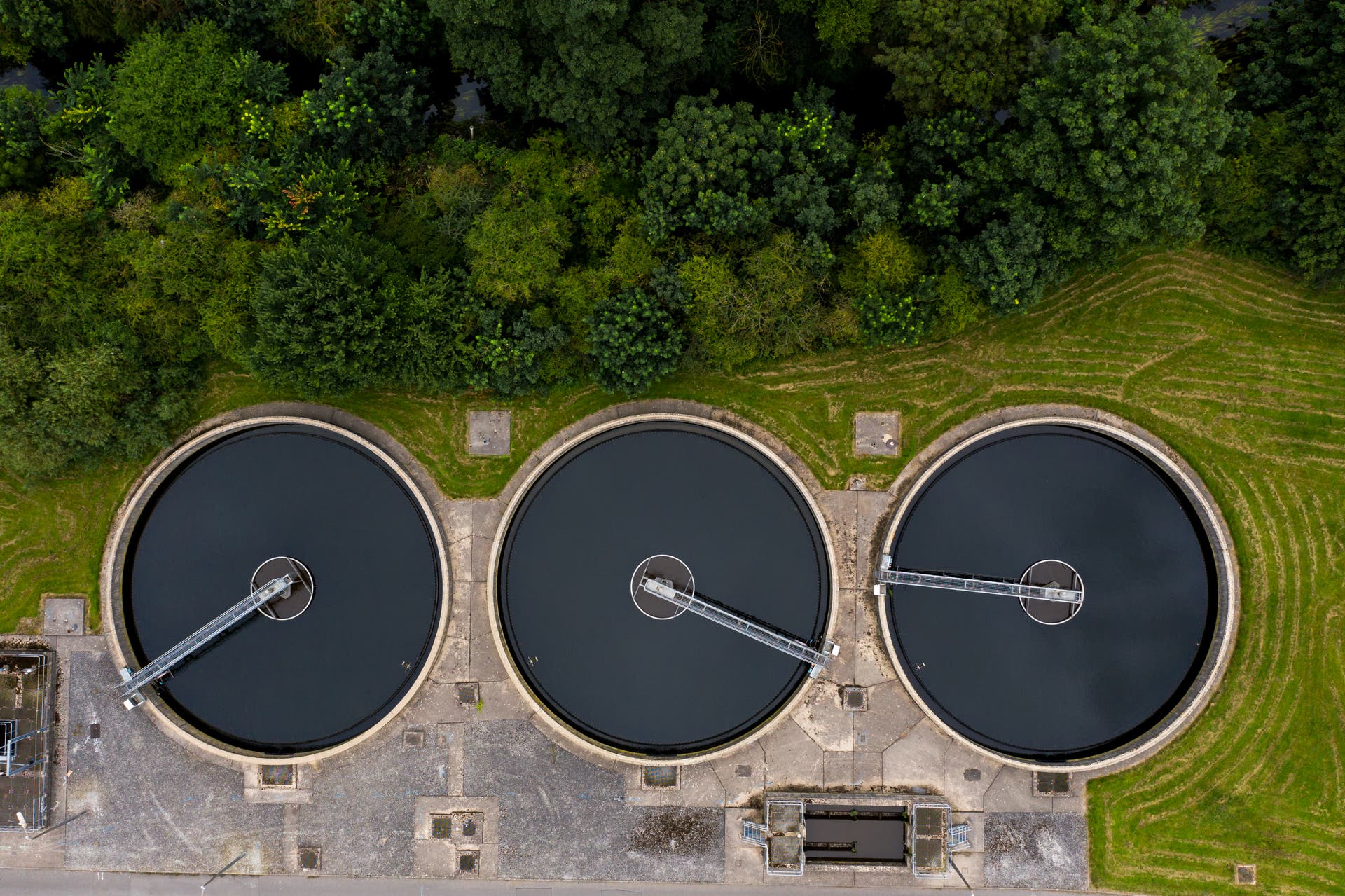
Clarifiers, or sedimentation basins, slow the flow of the wastewater to allow suspended solids to settle. Surface skimmers collect any floating fats, oils and greases. With the use of this mechanical and physical means, approximately 30% of organic matter is removed from the wastewater and is routed to the solids management area of the plant.

Secondary Treatment
This process uses living organisms to aid in reducing organics. In the aeration basin, bacteria and microorganisms convert biodegradable organic matter to carbon dioxide and water. With this conversion, organics are reduced, thereby reducing oxygen demand.

Discharge Limits
Discharge limits vary from plant to plant depending on the characteristics of the receiving water, effects on aquatic life, recreational uses and other factors. Discharge permits may stipulate a specific maximum concentration for BOD or COD, or a percent removal. Some plants require achieving as much as 90% removal of oxygen demand.