Alkalinity Measurement Methods and Resources

Why is Alkalinity Measurement Important?
Alkalinity measures the capacity of water to neutralize acids and maintain a stable pH level. It is an important water quality indicator across a variety of applications, including drinking water, beverages, boiler/cooling water and wastewater treatment.
Due to alkalinity's wide-ranging impacts, consistently monitoring alkalinity is vital to maintaining healthy and stable water. Hach® offers a wide range of testing equipment, resources, training, and software you need to successfully monitor alkalinity in your specific process application.
High alkalinity water may:
Mitigate heavy metals' toxicity by using available bicarbonates and carbonates to remove metals from solutions
Create an objectionable carbonated taste in drinking water and can be harmful to human health
Cause scaling or mineral build-up in industrial equipment and pipes
Meanwhile, low alkalinity water may:
Make streams, rivers, or lakes vulnerable to acidic pollutants, which can drop the pH of water to levels harmful for amphibians, fish, or zooplankton
Hinder the nitrification process in biological wastewater treatment
Which Processes Require Alkalinity Monitoring?
Wastewater Treatment
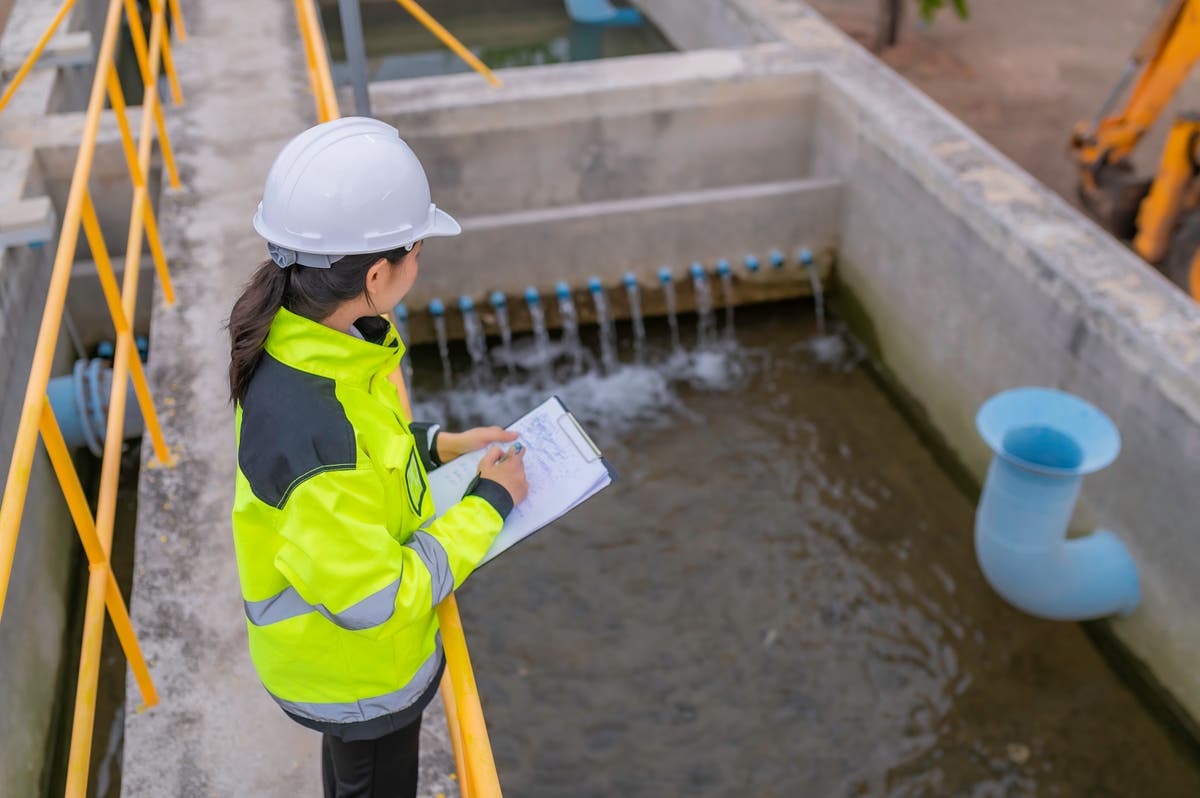
In wastewater treatment, alkalinity is an important parameter in determining the health and stability of various biological treatment processes.
In anaerobic digestion, alkalinity and its ratio to the concentration of volatile fatty acids (VFAs) is the most important measurement for understanding the stability of this biological process. For optimal results, a digester should have a pH value between 6.5 and 7.5. However, just measuring the pH is not enough. In order to ensure sustainable and safe operation, the water must have a sufficient buffering capacity in order to compensate for changes in the acid concentration. A digester that is too acidic is toxic to the bacteria, especially for the methane-producing bacteria. Upsets due to the toxic conditions of low pH can be very costly due to reduced gas production, chemical addition for alkalinity, and a significant increase in staff time and effort. Re-seeding an upset digester can take weeks and is very time-consuming.
In systems that are required to remove ammonia nitrogen, alkalinity is a key monitoring parameter for stable nitrification. Alkalinity values below 50 mg/L will inhibit the biological conversion of ammonia/ammonium to nitrite then to nitrate. Once alkalinity is depleted in a biological system, pH can begin to rapidly decline. When monitoring aerated biological nitrogen removal, pH is a commonly used and helpful indicator of system nitrification stability, but it is a lagging indicator. For maximum system stability, alkalinity monitoring is a good predictive measurement to indicate issues before they become critical.

Drinking Water Treatment
Alkalinity acts as a pH buffer in coagulation and lime soda softening of water. Alkalinity is monitored throughout the water treatment process and in the distribution system to ensure the delivery of safe drinking water to the community.
Knowing raw water alkalinity is very important for choosing the correct coagulants and setting up the coagulation/flocculation process. With the correct knowledge of all critical parameters, the coagulation process may be enhanced to remove total organic carbon (TOC) and reduce disinfection by-products (DBP) formation potential in the water prior to chlorination.
Alkalinity of filtered water is often adjusted to control its corrosivity prior to release in the distribution system and measuring alkalinity of the tap water in the distribution network is important to ensure adequate corrosion control and avoid violation of the lead and copper rule (LCR).
Beverage Industry
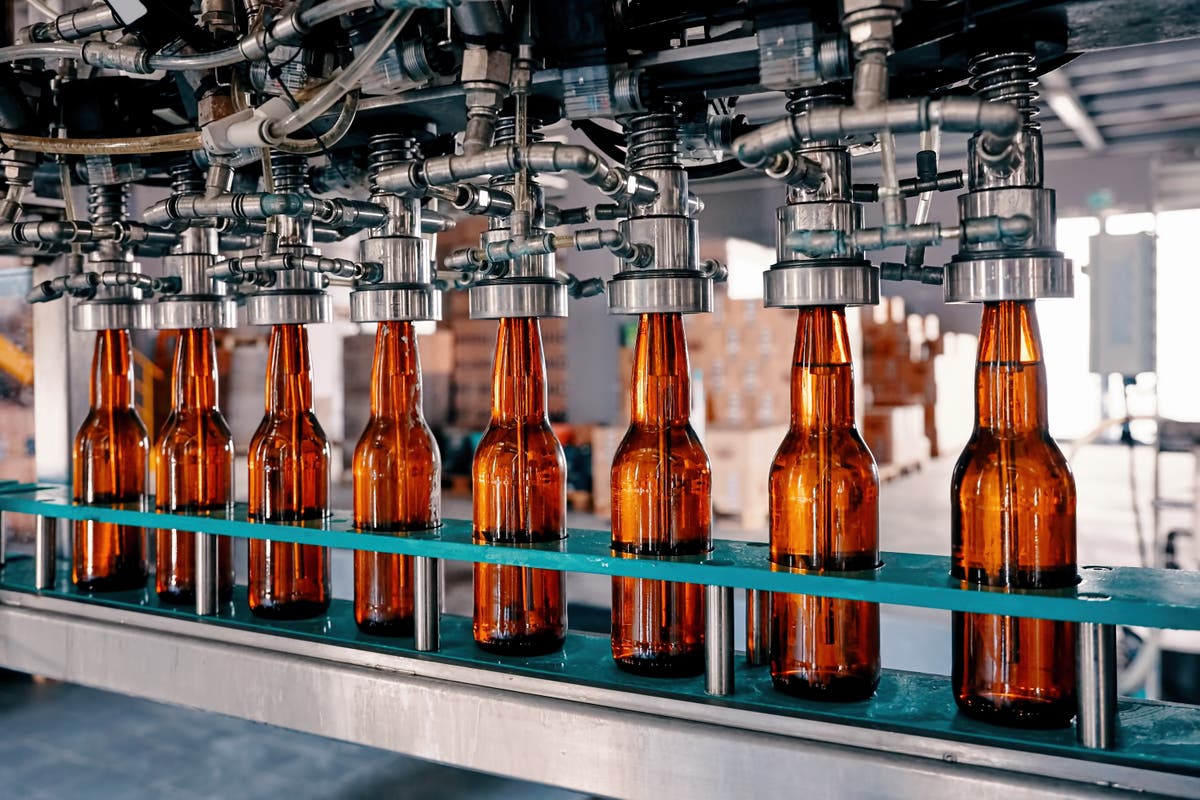
Besides monitoring alkalinity in the feed water for boilers and cooling towers, this parameter is vital for the evaluation of the source water used for production because wrong or inconsistent alkalinity can adversely affect flavor and overall quality of beer, juices and other beverages.
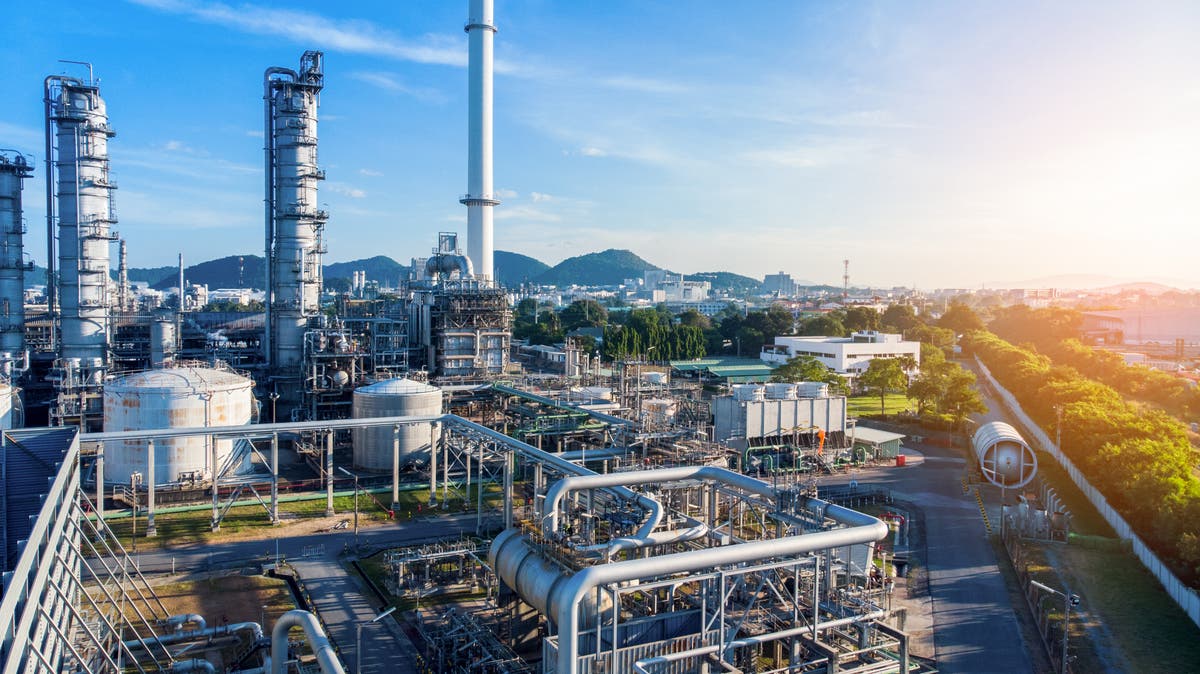
Chemical Manufacturing and Other Industrial Applications
Along with other parameters, alkalinity is monitored during cooling processes to prevent corrosion of piping, condensers, and dryers over time. Monitoring alkalinity, along with other key parameters during industrial wastewater treatment, helps facilities ensure compliance with chemical industry regulations, avoid permit violations, maximize efficiency, control costs, and operate at the highest possible levels of health and safety.