Dissolved Oxygen (DO) Measurement and Analysis

Why Monitor Dissolved Oxygen?
Dissolved oxygen is a measure of the amount of gaseous oxygen contained in water. Healthy waters that can support life must contain dis-solved oxygen (DO).
In everything from aquariums to laboratories to beer breweries, the ability to quickly and accurately measure DO is crucial in the monitoring and maintenance of water quality. Improper DO levels can cause oxidation that damages equipment and compromises product.
Hach® offers a comprehensive range of meters, probes, test kits, reagents, resources, and more to successfully monitor and manage dissolved oxygen levels in your specific process application.
Why Measure?
There are numerous reasons to measure and maintain proper DO levels. While they vary across applications, the most common reasons are as follows:
- Quality: The DO concentration determines the quality of source water. Without enough DO, water turns foul and unhealthy, affecting the quality of the environment, drinking water, and other products.
- Regulatory Compliance: To comply with regulations, wastewater often needs to have certain concentrations of DO before it can be discharged into a stream, lake, river, or waterway. Healthy waters that can support life must contain dissolved oxygen (DO).
- Process Control: DO levels are critical for controlling biological treatment of wastewater, the biofiltration phase of drinking water production, and determining the taste and shelf-life of beverages. In some industrial applications (e.g. power production), any DO is detrimental for steam generation and must be removed and its concentrations must be tightly controlled.

Which Processes Require the Monitoring of Dissolved Oxygen?

Wastewater Treatment
Influent water entering a facility usually has a low DO concentration because it contains organics and microorganisms, which consume oxygen while feeding on the organics.
Monitoring DO helps promote efficiency in aeration basins. By using online DO measurement equipment, a facility can reduce energy costs by adjusting aeration to match the DO required by the organic load. Continuous measurement and adjustment ensure that microorganisms have enough oxygen to consume organics while allowing the facility to conserve energy by reducing aeration when possible.
DO levels need to be replenished in effluent water leaving the facility to meet minimum DO level requirements to protect ecosystems and to comply with regulatory discharge permits. These regulations ensure that effluent water does not deplete oxygen levels in receiving waterways.
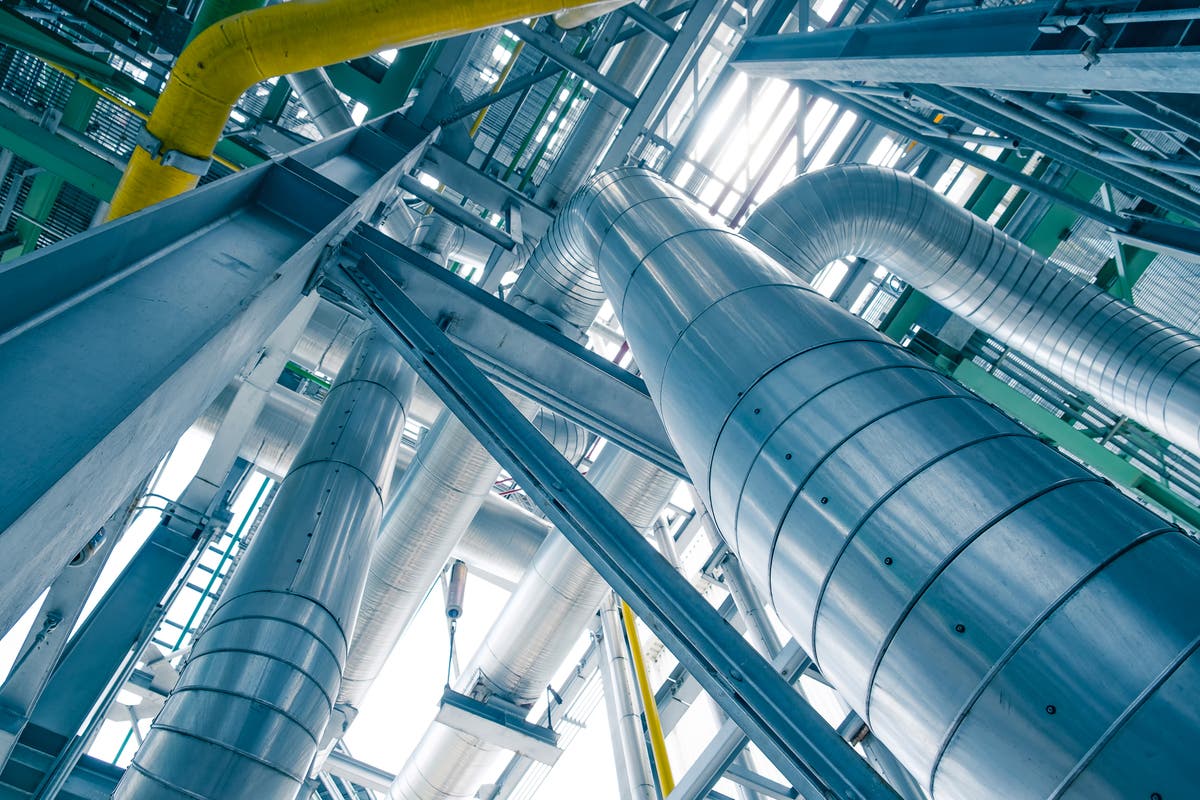
Industrial Steam Generation
Because DO causes corrosion in equipment, achieving low or no DO can prevent leaks, failures, and shutdowns.
Drinking Water Treatment
Monitoring DO and the temperature of the source water can provide early warning for seasonal rise in manganese concentration. High levels of DO accelerate corrosion in water pipes. Low levels of DO can cause an increase in ferrous iron concentration, resulting in discoloration at the tap when water is aerated.
It is important to maintain a balanced concentration of DO in finished water discharged into the distribution system. Balanced DO can improve the taste of drinking water.

Beverage Industry
Soft drink corporations set quality standards for DO levels to stabilize taste, to ensure shelf-life, and to avoid corrosion in the packaged cans.
Breweries monitor DO because fermentation requires oxygenation. However, for packaging, low DO levels are necessary to improve shelf-life and to stabilize taste and odor.
Wine producers maintain low DO content by adding sulfites to the product to prevent oxidation, loss of aroma, discoloration, rapid aging and the growth of microorganisms.
Juice producers maintain low DO to ensure flavor stability.
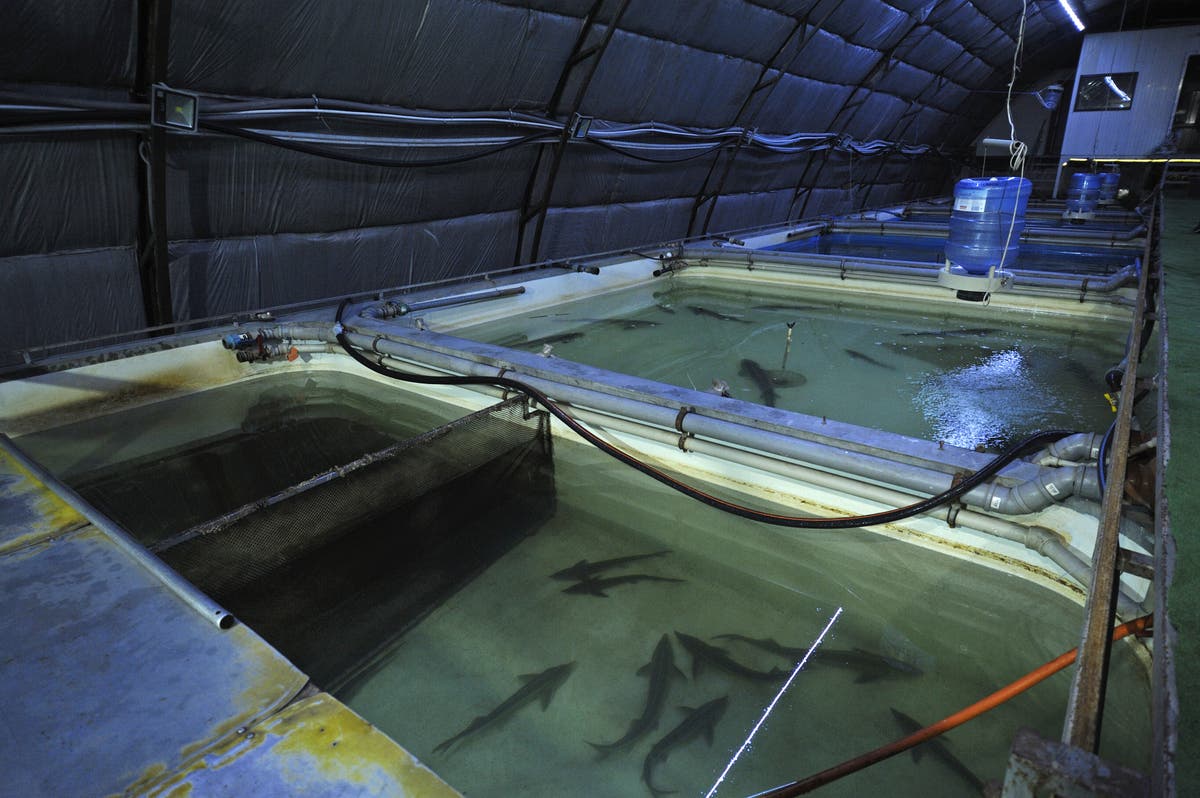
Aquaculture
In aquariums and fish farms, a minimum DO level of 4.5 mg/L is necessary to support fish life. Too much DO can promote diseases.

Environmental Monitoring
Without a healthy concentration of DO, a body of water can experience hypoxia – a condition in which there is not enough oxygen to support aquatic life.
How is Dissolved Oxygen Monitored?

This method uses light and luminescent material to measure DO. These electrodes require less maintenance, maintain calibration, and are not affected by hydrogen sulfide or other dissolved gases. They offer accuracy, stability and reproducibility at fast response times.
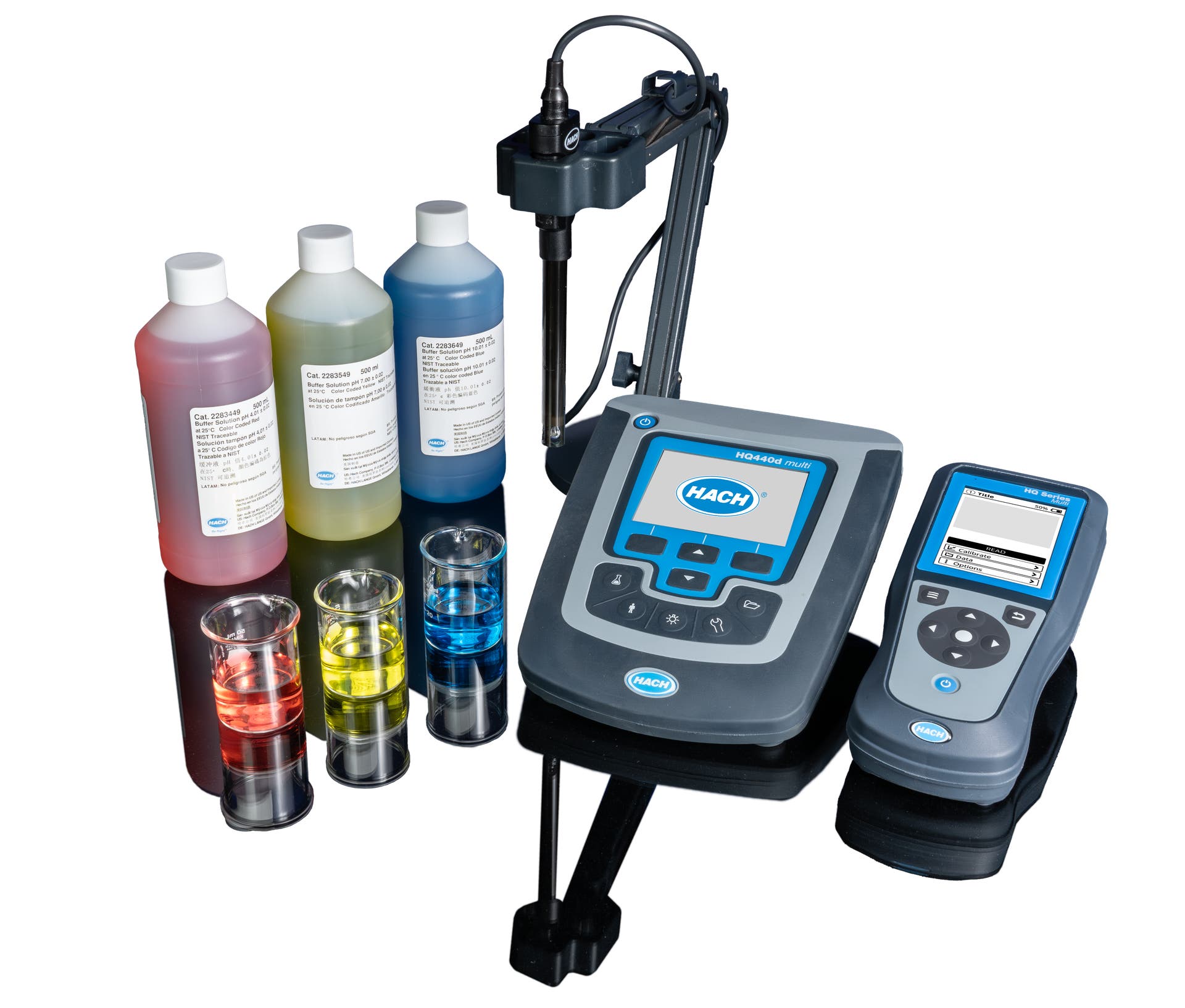
This method utilizes Galvanic or Clark-type electrodes (anode and cathode in an electrolyte solution) to measure DO. To ensure accuracy the electrodes require frequent calibration and water samples must be gently stirred.
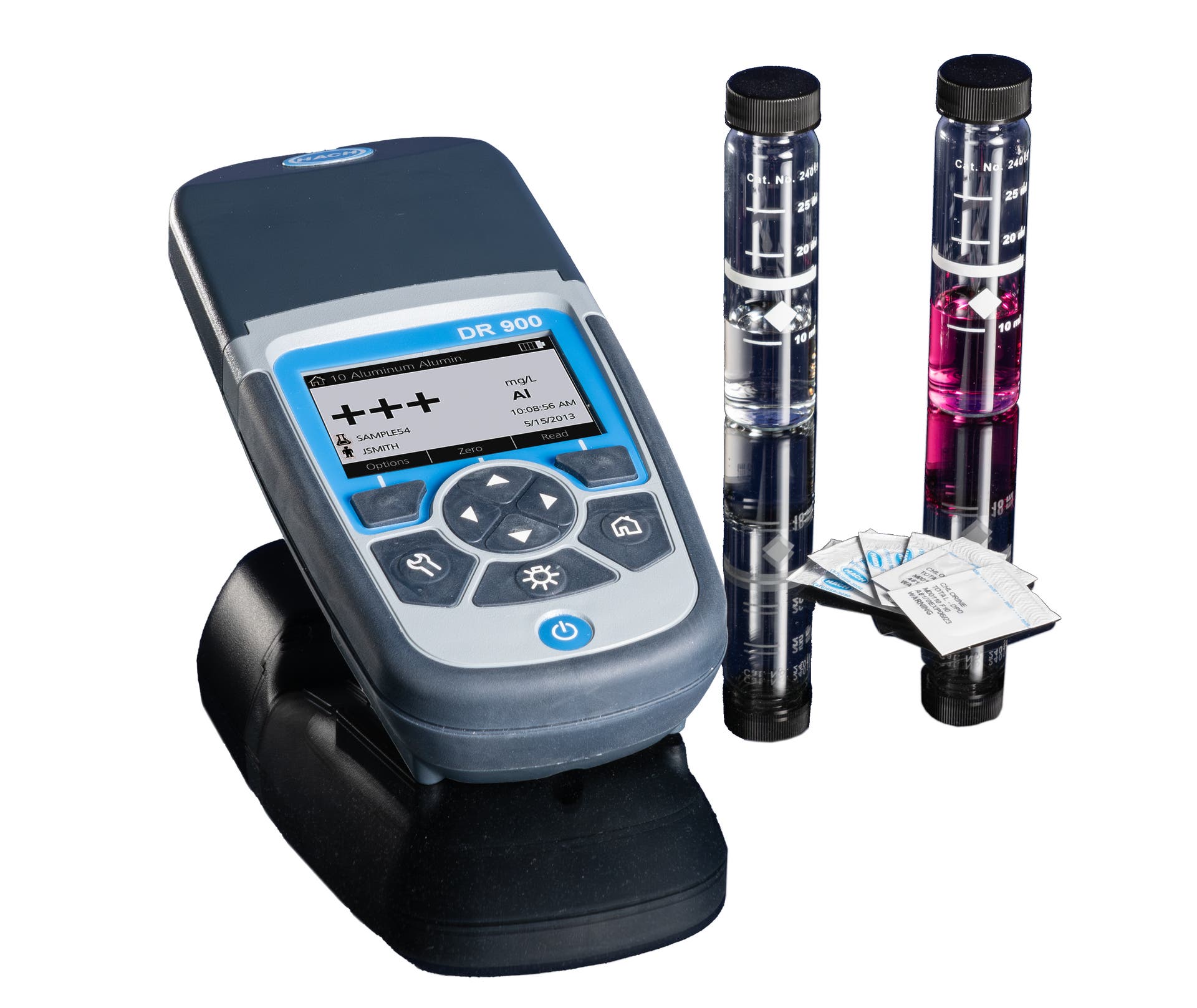
Indigo carmine reacts with the DO in the water producing a blue color proportional to the DO concentration. The blue color can be visually compared to a chart or read with a colorimeter or spectrophotometer. This method is portable and suitable for field-use but it has limitations. The water must be transparent and free of particulates.

This method is performed by adding chemicals (manganese, iodide and hydroxide) to water samples to create a reaction with the DO that forms an acidic solution. The amount of alkali reagent required to neutralize the acid with titration, indicates how much DO was in the original water sample. Though it is considered a traditional method in some areas, it is time consuming and subject to human error. No online instrumentation exists for this method.