BOD (Biochemical Oxygen Demand) Methods and Analysis

Why BOD Analysis, Measurement and Testing Matter to Water Quality
Biochemical oxygen demand (BOD) analysis is a crucial parameter in ensuring that wastewater treatment has been effective and meets regulatory requirements, offering insights into organic pollution levels and allowing you to reduce both environmental and regulatory risks.
When effluent wastewaters are discharged into the environment, they can introduce pollution in the form of organic content to receiving waters. Accurate and precise BOD measurements help ensure that your processes are removing what you need to in order to meet your discharge limits, which could results in regulatory fines and negative environmental impact if not met.
Municipal and Industrial Wastewater Treatment
Primary Treatment
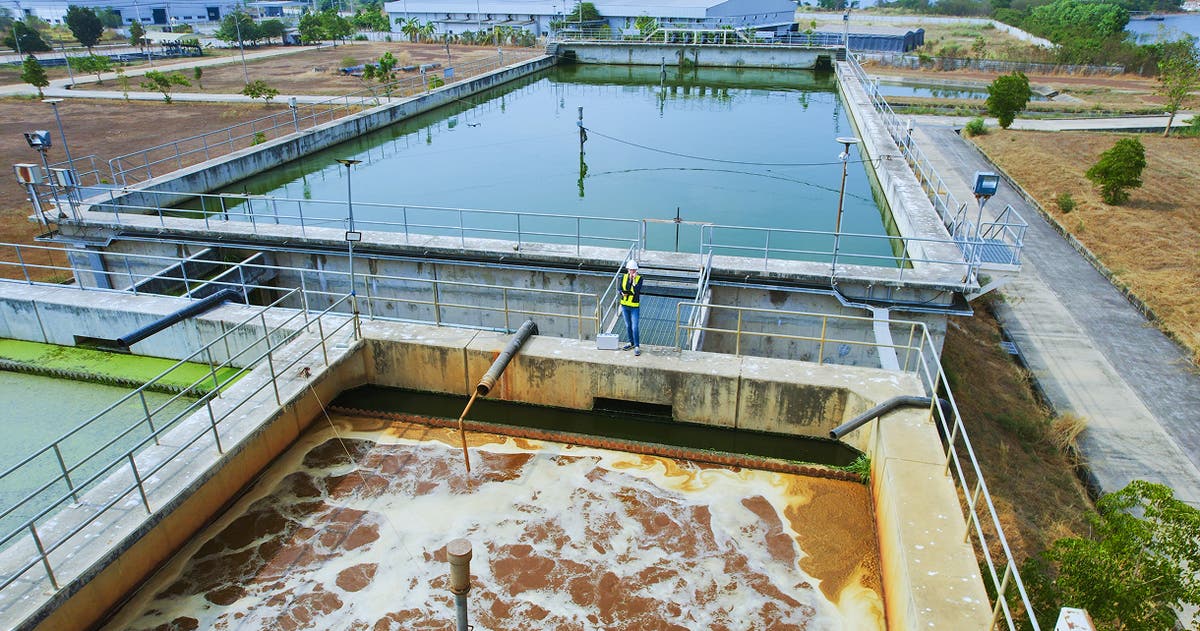
Clarifiers, or sedimentation basins, slow the flow of the wastewater to allow suspended solids to settle. Surface skimmers collect any floating fats, oils and greases. With the use of this mechanical and physical means, approximately 30% of organic matter is removed from the wastewater and is routed to the solids management area of the plant. Clarifiers, or sedimentation basins, slow the flow of the wastewater to allow suspended solids to settle. Surface skimmers collect any floating fats, oils and greases. With the use of this mechanical and physical means, approximately 30% of organic matter is removed from the wastewater and is routed to the solids management area of the plant. By monitoring BOD in the primary treatment, the wastewater facility can control the efficiency of this process.

Secondary Treatment
This process uses living organisms to aid in reducing organics. In the aeration basin, bacteria and microorganisms convert biodegradable organic matter to carbon dioxide and water. With this conversion, organics are reduced, therefore reducing oxygen demand.
Discharge Limits
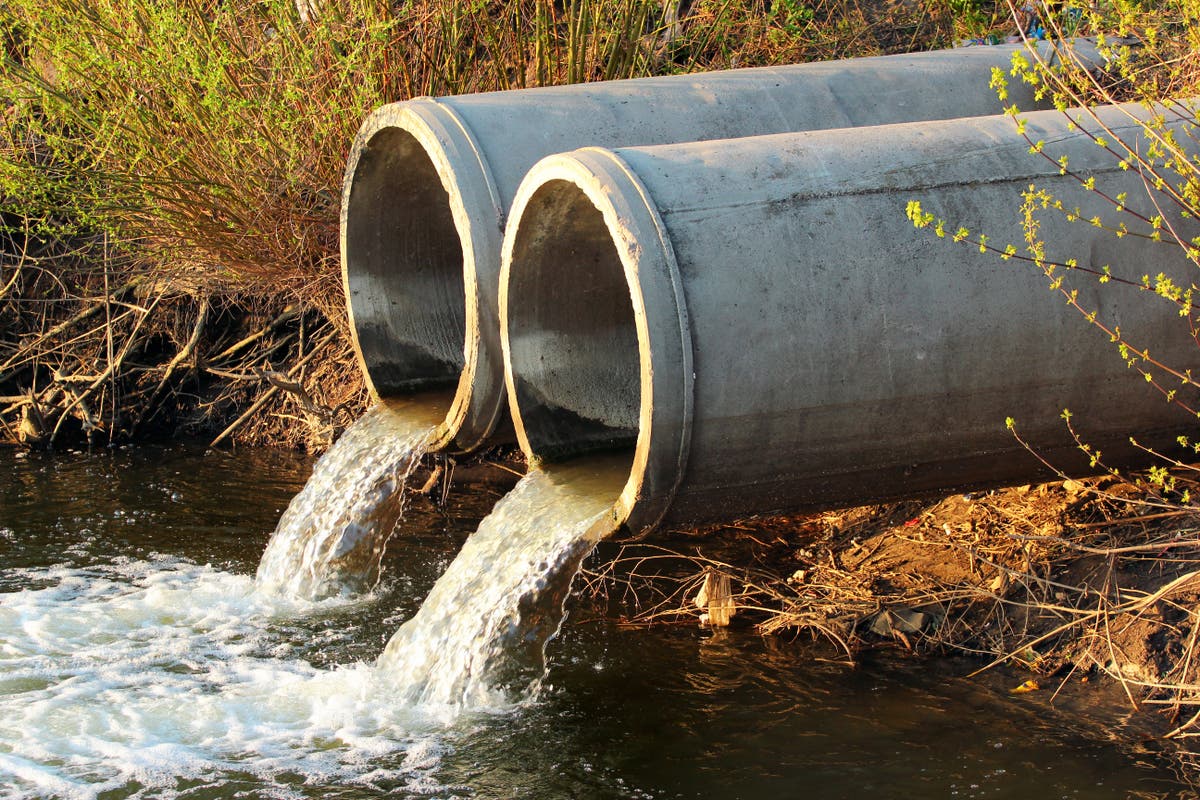
Discharge limits vary from plant to plant depending on the characteristics of the receiving water, effects on aquatic life, recreational uses and other factors. Discharge permits may stipulate a specific maximum effluent concentration for BOD or COD, pounds loading, and/or a percent removal.

Compliance and Measurement
For compliance, it’s necessary to measure BOD or COD of the influent water as it enters the plant, before mechanical screening processes, and at the effluent of the facility at the designated discharge sample location. If the oxygen demand of effluent exceeds discharge limits, regulatory agencies may impose fines. USEPA also allows the use of TOC when it is correlated with BOD or COD.
When selecting a method for analyzing oxygen demand, it’s important to consider the following:
- Specific testing application
- Oxidant that will be used
- Test completion time
- Accuracy and precision of the measurement