Turbidity Meters and Sensors
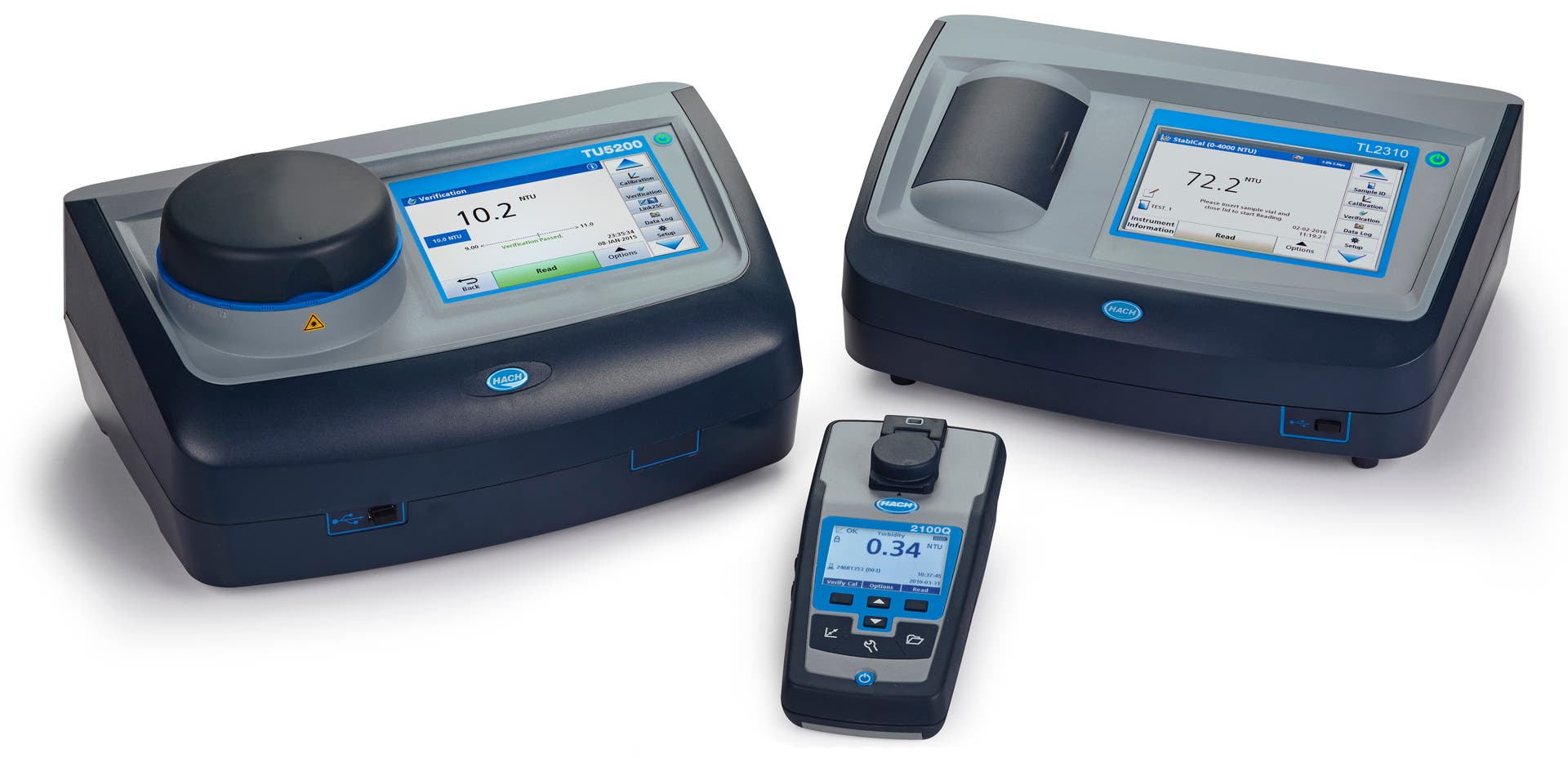
Hach’s Longtime Leadership in Turbidity Measurement
Turbidity measurement has been central to Hach®’s innovation journey since the company’s early years. In 1957, Hach pioneered a continuous-reading turbidimeter that enabled water professionals to monitor clarity and overall water quality in real time, transforming routine assessment into continuous insight.
This breakthrough not only advanced operational awareness and decision-making for utilities and laboratories but also laid the foundation for decades of leadership in turbidity measurement. By demonstrating that practical, reliable instrumentation could deliver continuous, actionable data, Hach's innovation established a standard that has guided our ongoing commitment to dependable water analysis solutions and reinforced Hach as a long-term leader in turbidity technology.
Why Measure Turbidity?
Quality & aesthetics, health and compliance are just a few reasons why measuring turbidity matters.
Which Applications and Processes Require Turbidity Monitoring?
Drinking Water Treatment
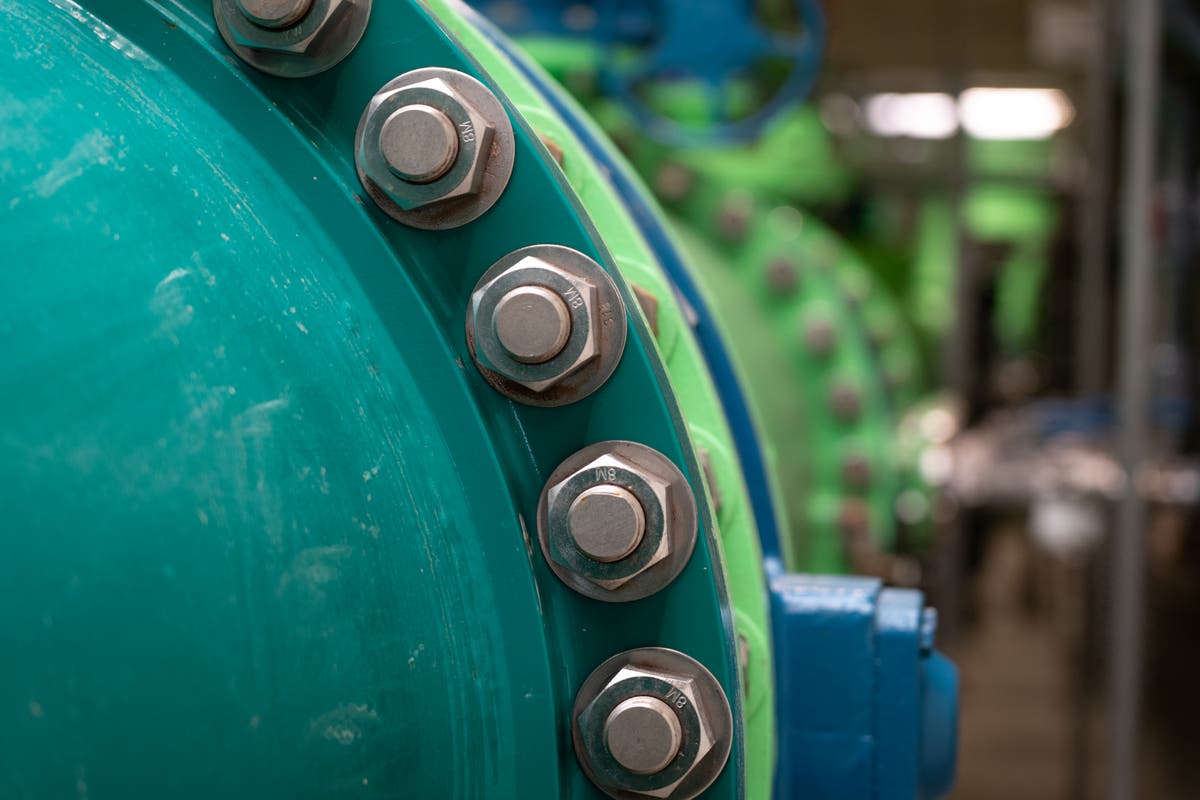
While regulatory compliance is important for municipal drinking water and water treatment plants, measuring turbidity can also help keep the cost of operations down. Taking regular turbidity measurements can optimize filter performance by establishing efficient filter backwash cycles. And in the case of filter breakthrough, turbidity readings can indicate a breach of particles before it becomes a costly problem requiring an appropriate regulatory response.
Ultimately, turbidity measurements are an important part of quality control in water treatment plants. They help operators achieve their most important goal: Making water safe for consumers to drink.

Beverage Industry
Good water quality is vital in the beverage industry too, where the taste and texture of a drink are of utmost importance. For alcoholic beverages like wine and beer, flavor consistency and shelf life are at the heart of quality control. And for bottled water and soft drinks, it’s easy for consumers to see when something is off—especially if turbidity is an issue.
Turbidity can vary dramatically depending on where water is sourced from in the beverage industry. Having turbidity meters operational ensures that manufacturers can monitor the quality of their water to see if it needs extra filtering or treatment. With consistent measuring, turbidity readings keep quality in check to ensure that water always meets high standards for beverage making.
Wastewater Treatement
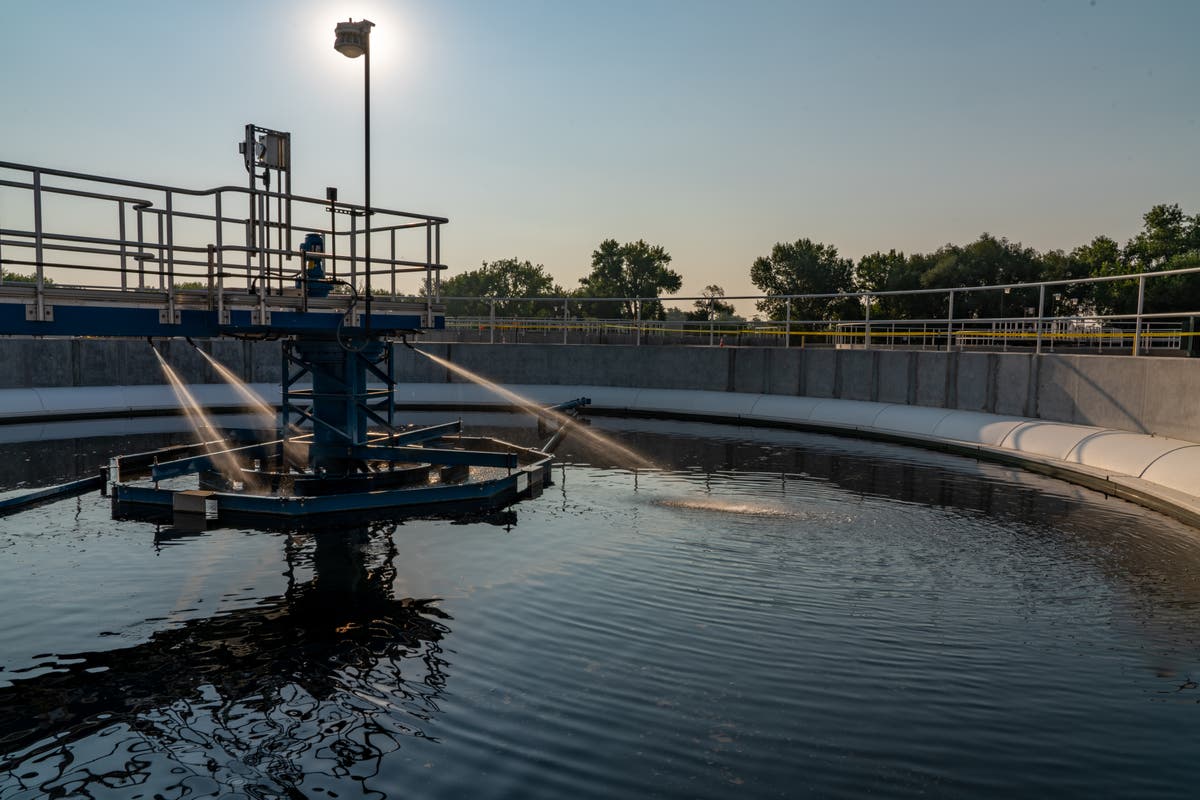
A turbidity meter can reflect on the amount of suspended solids in water at different parts of the treatment process, whether it’s for compliance reporting or for process control in real time.
Turbidity measurements can help ensure that effluent meets quality standards in municipal wastewater.
How is Turbidity Measured?
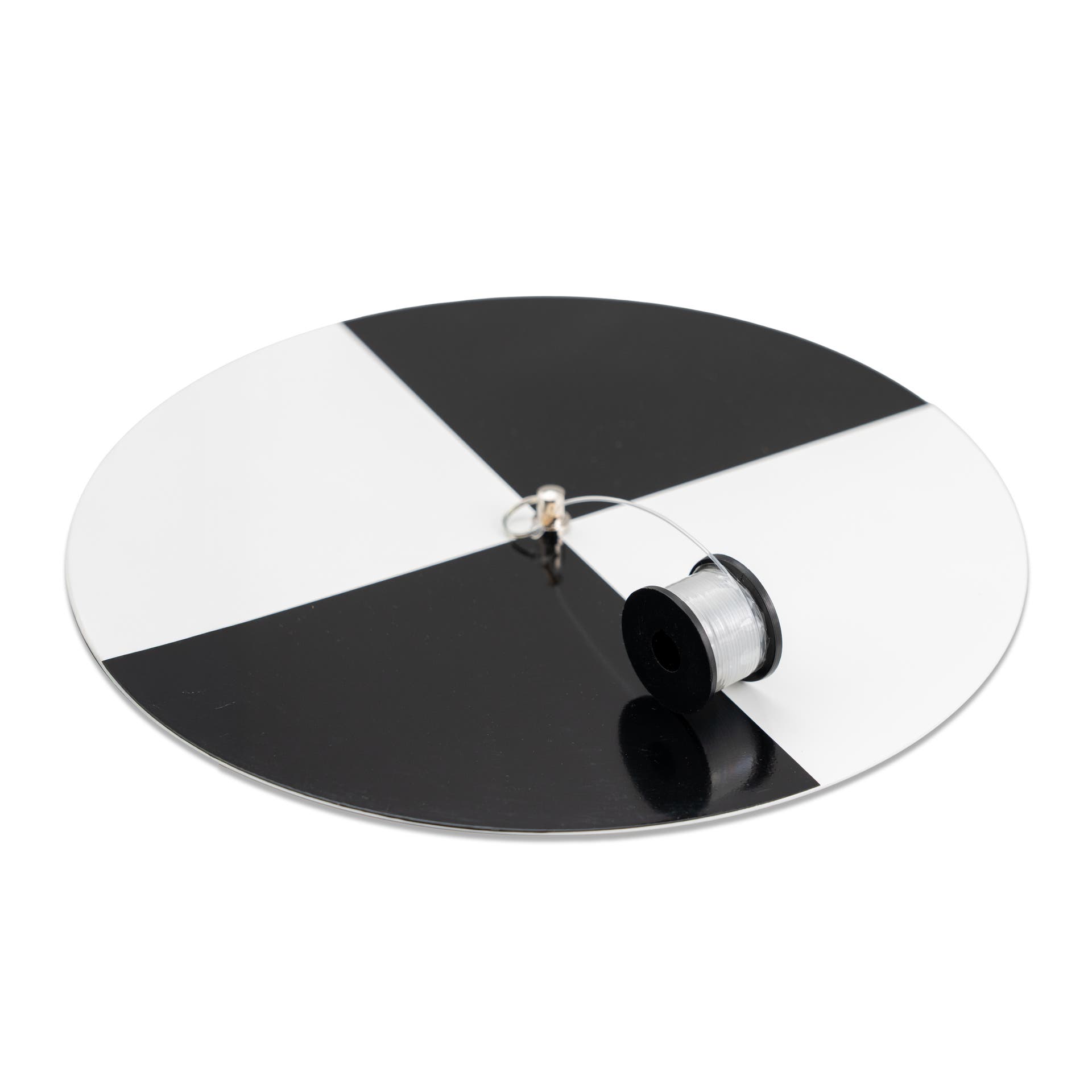
Taking an indirect measurement with a Secchi disk or tube can be helpful for gauging turbidity relative to water clarity in a body of surface water such as a lake or river.
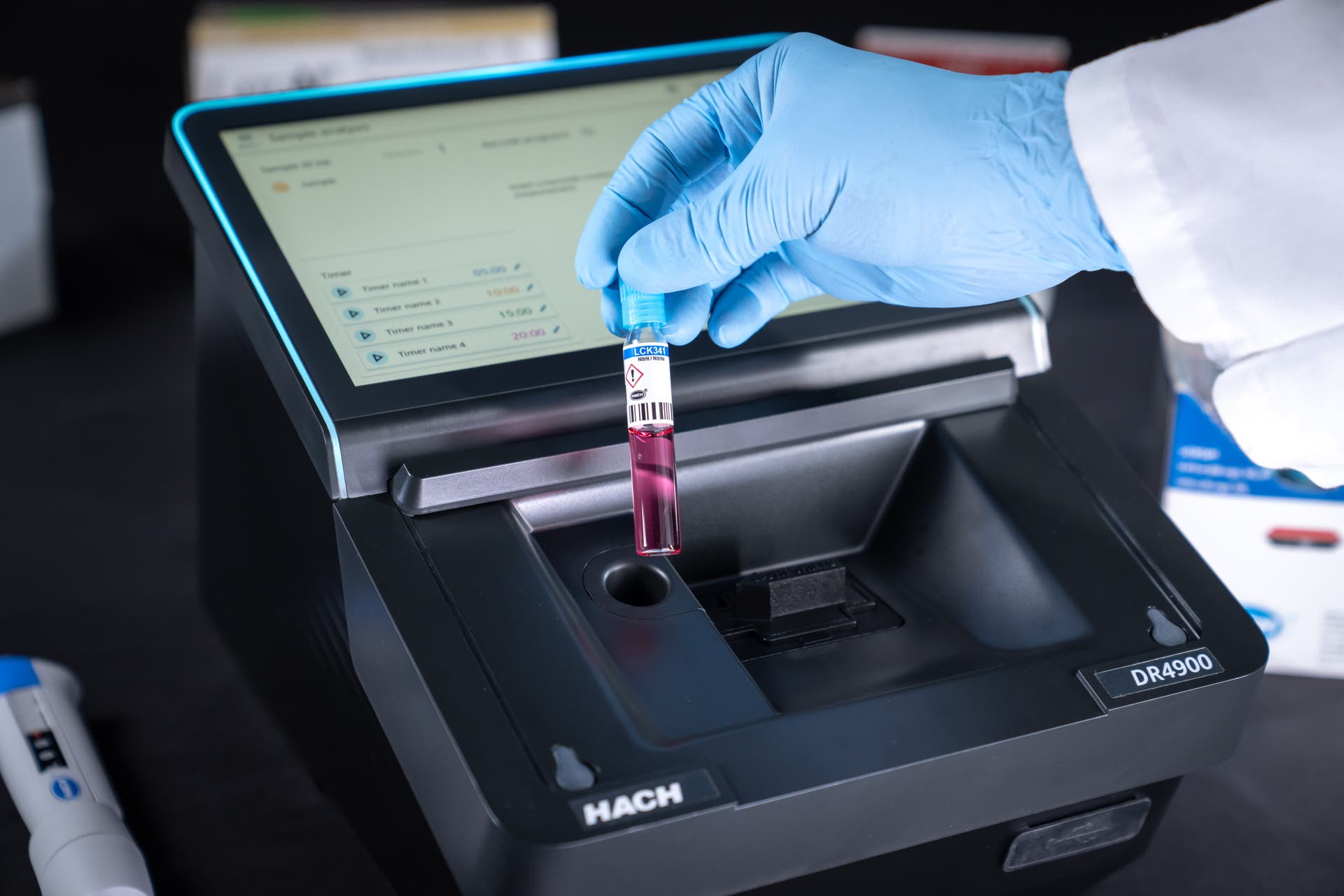
A spectrophotometer measures light transmittance of the water sample and the photons can be absorbed by the dissolved substances and scattered by suspended particles present in the sample. Both components contribute to the difference between the amount of light sent to the sample and coming out of it. This difference constitutes total light absorbance by the solution, and it is not easy to distinguish between the light truly absorbed by the components and the light lost to scattering by the particulate matter. The amount of scattered light can be captured by the instrument and translated into turbidity of the sample providing an additional reading besides absorbance. It adds to the design of such spectrophotometric instrumentation and makes it more complex.
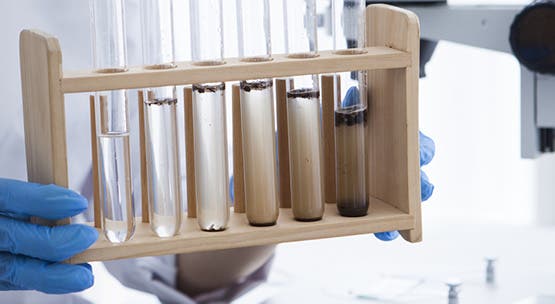
Sensors dedicated to turbidity can measure a flow-through sample or be submerged in water to take more accurate readings using light-scattering techniques. Some turbidity meters can take readings on a sample without touching the liquid directly.
Turbidity meters are the most versatile devices for measuring turbidity, since they can be used in a wide variety of settings. Turbidity meters usually employ a beam of light, called incident light, which scatters off of suspended particles in the sample being measured.
The method of measuring scattered light at 90 degrees to the incident light beam is called nephelometry, and the turbidity meter used for this type of measurement is a nephelometer.
Nephelometers detect the amount of scattered light and compare it to a calibrated measurement standard that can be set by the user. If the water is more turbid, the light will scatter more. If it’s less turbid, the light will scatter less. Only nephelometric methods to measure turbidity are accepted for regulatory compliance and reporting in the US.
Different nephelometers and turbidity meters exist for different purposes, though their core principle of measurement remains the same—measure the portion of light scattered by the particles.